
 Water Damage
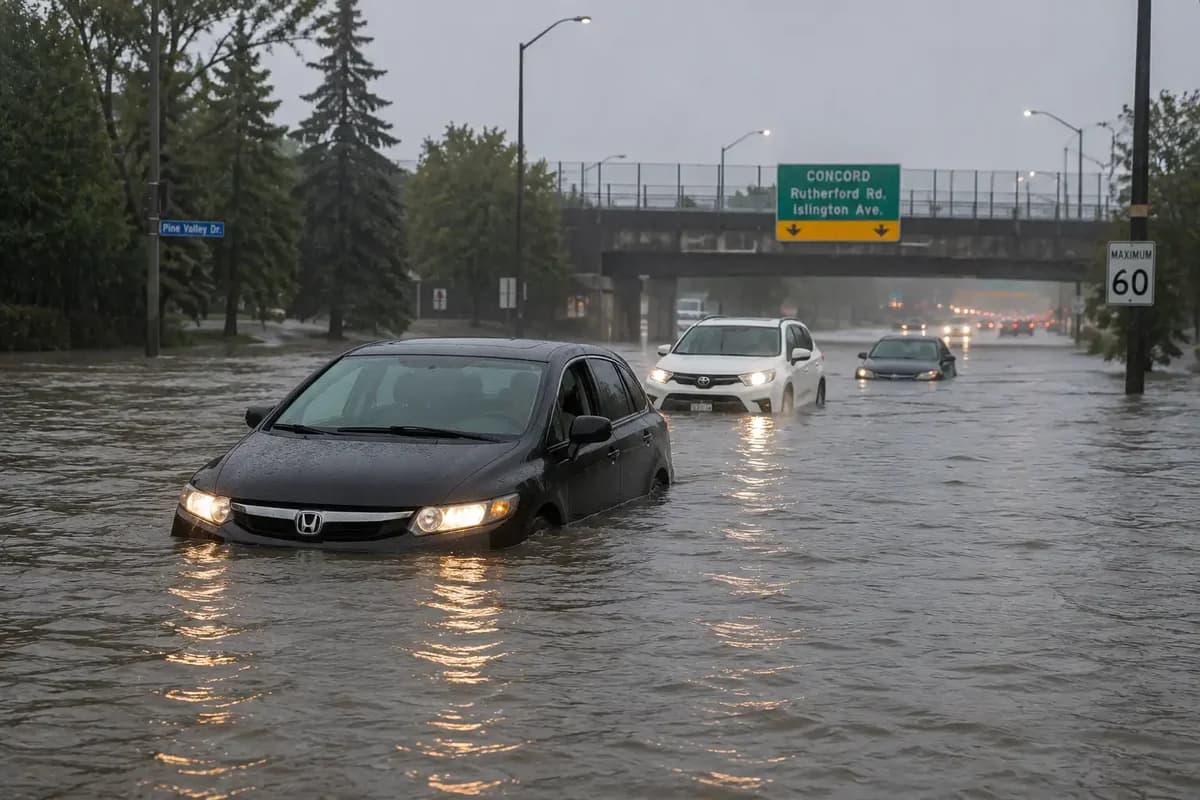
Toronto floods differently than the rest of the GTA. Older sewers, older housing stock, and ravine geography stack the odds against city basements. Here's what causes it, what the City will pay to prevent it, and what to do in the first hour.
In This Article
Why Toronto flooding differs from the rest of the GTA
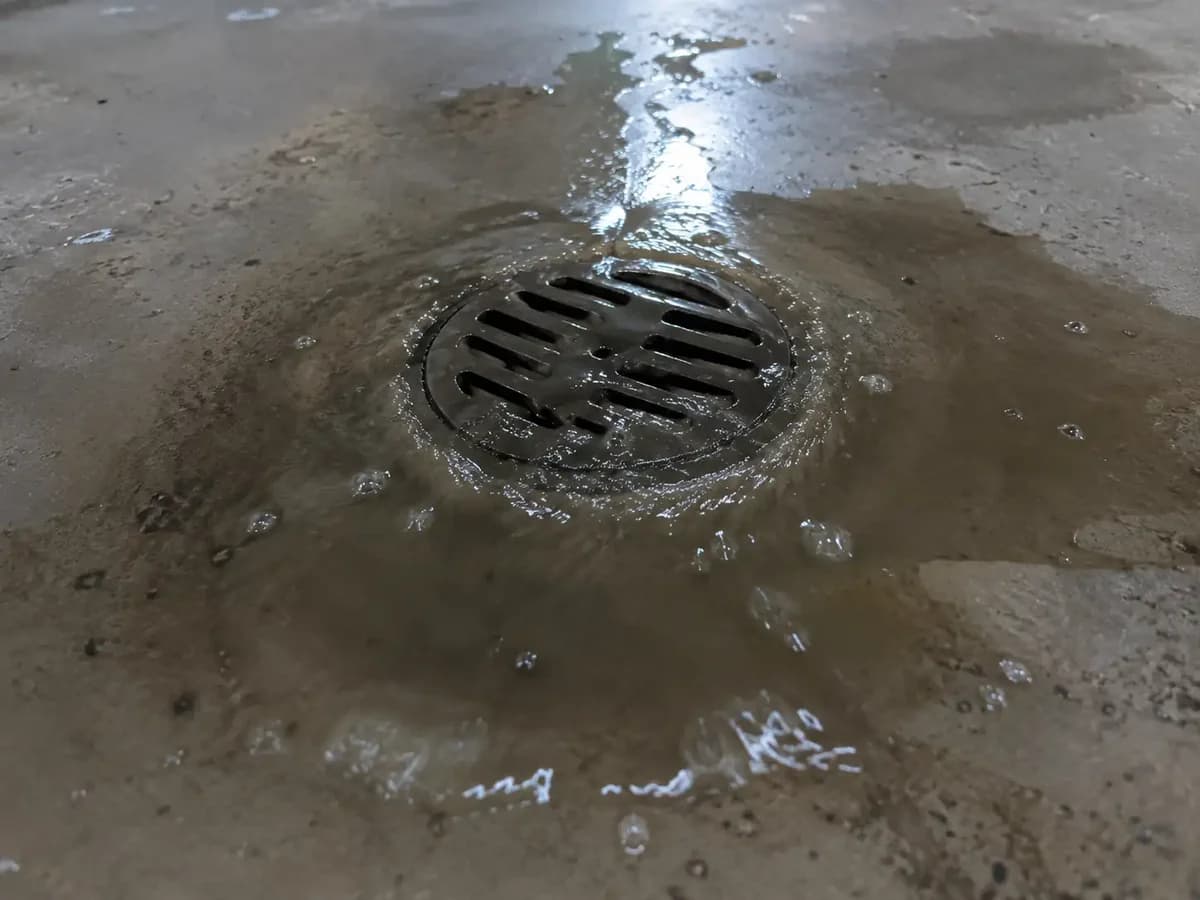
Water damage is water damage anywhere, but the reason a basement fills up in Toronto is usually different from the reason one fills up in a newer suburb. In a subdivision built in the last twenty years, the typical failure is mechanical: a sump pump dies during the storm that needed it most. In Toronto, the failure is more often infrastructural. Water comes up through the floor drain because the sewer serving the street ran out of room.
That distinction matters, because it changes what you can do about it. You cannot upgrade the sewer under your street. You can install a backwater valve, and the City will currently cover most of the cost of doing so. It also changes what a restoration crew is dealing with when they arrive, since water that comes back up through a drain is categorized and handled very differently from a clean supply-line leak.
Below is what drives water damage in Toronto, where the risk concentrates, the subsidy many homeowners still do not know about, and the sequence to follow in the first hour if water is already inside.
The three causes we see most often
Across Toronto jobs, nearly everything traces back to one of three pathways. Knowing which one you are dealing with tells you who to call, whether your insurance is likely to respond, and how urgent the health risk is.
| Pathway | What it looks like | Water category |
|---|---|---|
| Sewer or drain backup | Water rising from the floor drain or toilet during or just after heavy rain | Category 3, grossly contaminated |
| Seepage and groundwater | Damp or wet along the base of foundation walls, worse after prolonged rain | Category 1 to 2, depending on what it crosses |
| Plumbing and appliance failure | Sudden, localized, unrelated to weather. Supply lines, water heaters, washing machines | Category 1 if caught fast |
Sewer backup in Toronto
Much of Toronto's older area was built with combined sewers, which carry sanitary flow and storm runoff in the same pipe. That design works until a heavy downpour arrives faster than the pipe can clear it. When the system surcharges, the path of least resistance can be the floor drain in your basement, which is why the water arrives from below rather than through the walls.
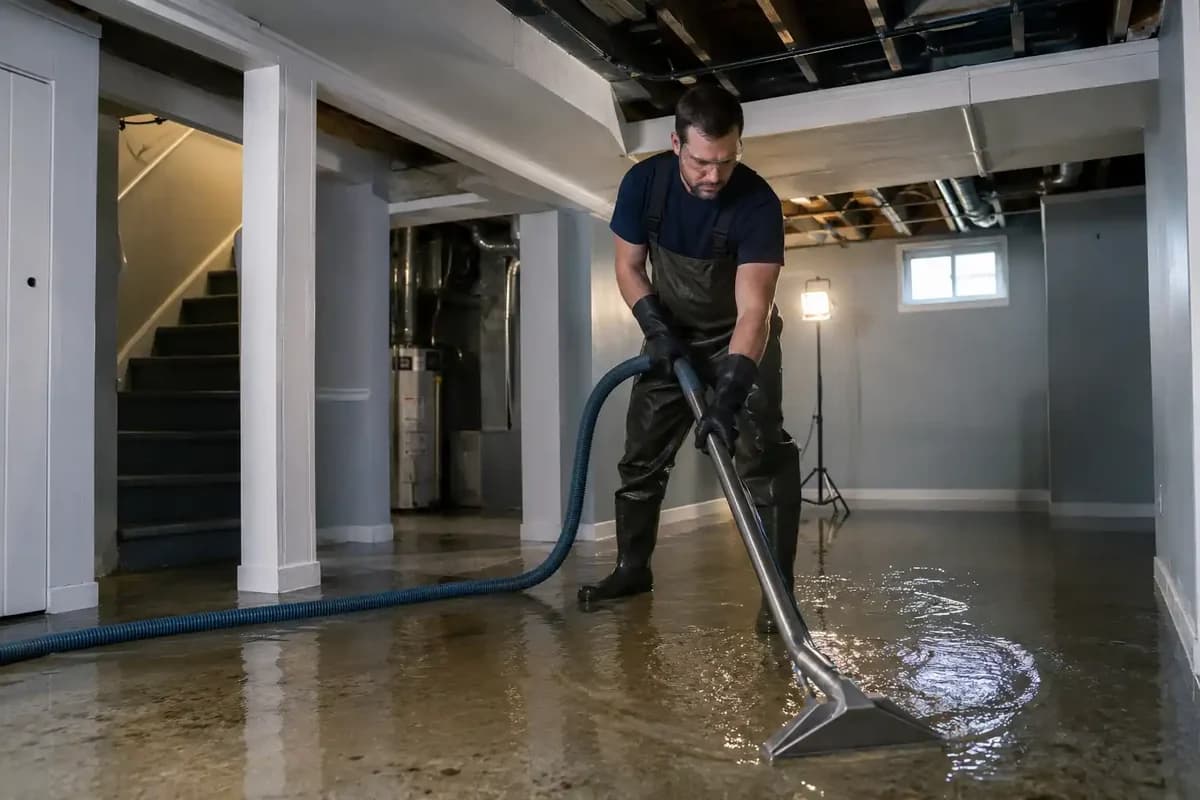
This is the scenario that turns an inconvenience into a health hazard. Water that has been in the sanitary sewer is Category 3, and it cannot be dried in place. Affected porous materials come out, the space is disinfected, and only then does drying begin. That is sewage cleanup, not a wet-vac job, and it is not something to handle yourself.
Seepage, the slow one that becomes mould
Seepage rarely produces a dramatic flood. It produces a damp corner, a musty smell, and eventually hidden mould behind the finished wall. Older foundations in the city were not built with the waterproofing standards used today, and clay drain tile from the original build is often long past its service life.
The insurance problem here is that seepage is usually classed as gradual damage, which standard policies exclude. That makes it the one pathway where prevention is genuinely the only strategy: grading, downspout discharge well away from the foundation, and dealing with small damp patches before they become a remediation job.
Plumbing failure, the one that happens year-round
Supply-line and appliance failures do not care about the weather, and they are the most likely of the three to be covered without an endorsement, since they are sudden and accidental. A burst pipe in an unheated space during a February cold snap can put hundreds of litres into a finished basement before anyone notices.
The good news is that this is the pathway where fast action pays off the most. Clean supply water caught quickly is Category 1, and Category 1 caught quickly can often be dried in place rather than demolished.
Where the risk concentrates across the city
Risk is not evenly spread across Toronto, and it correlates more with geography and the age of the servicing than with any particular neighbourhood's reputation.
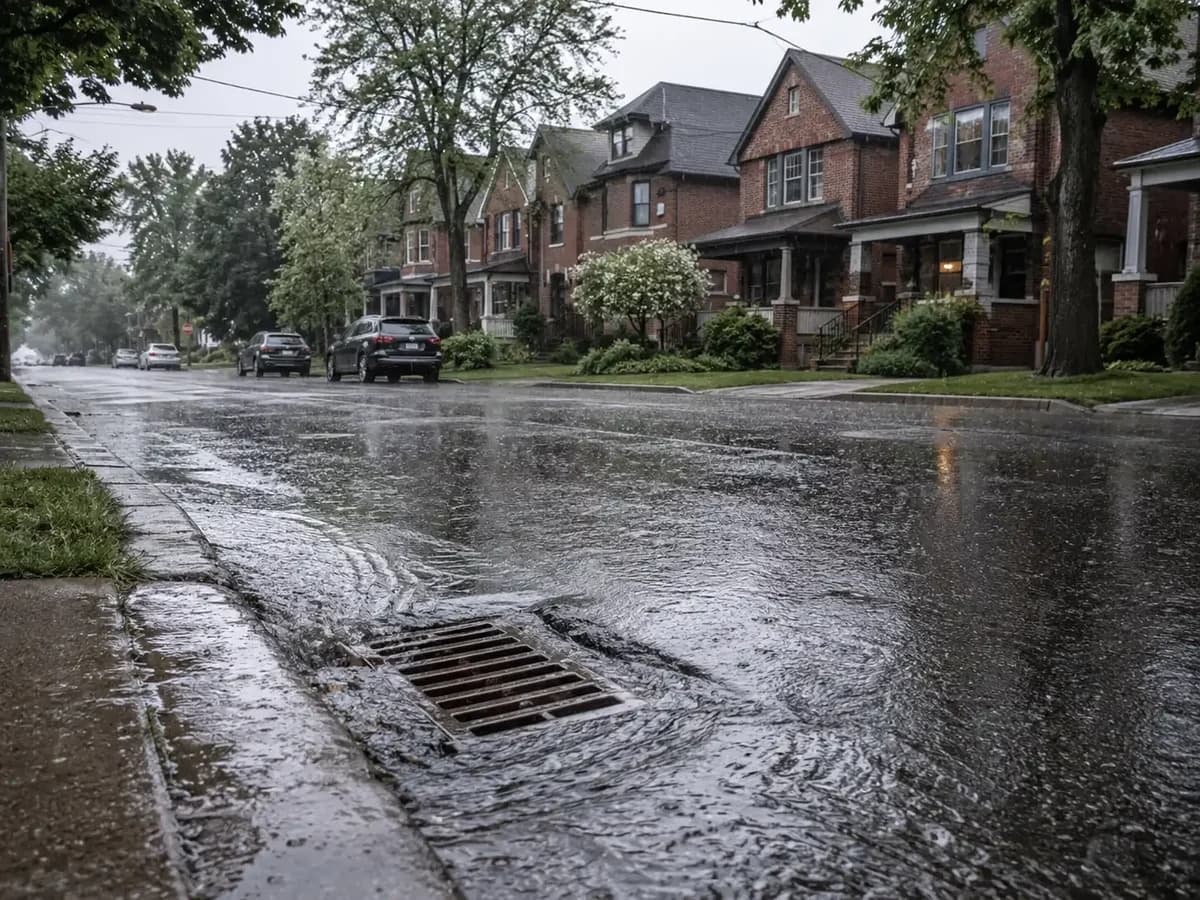
- Low-lying properties and anything near the ravine systems, the Humber, the Don, and Highland Creek, where surface water concentrates fast during a downpour.
- Established areas with original servicing, where the sewers and the private drain connections are both decades old.
- Homes built before the 1960s, which generally had downspouts plumbed straight into the sewer, adding roof runoff to a system already at capacity.
- Finished basements anywhere in the city, which do not increase the odds of flooding but multiply the cost when it happens.
Why finished basements raise restoration costs
An unfinished basement that takes on water is a cleanup. A finished one is a reconstruction. Drywall wicks water upward well past the visible line, underpad holds it, and engineered flooring delaminates. The same event that costs a few thousand dollars in a storage basement can run several times that once there is drywall, trim, flooring, and a bathroom involved.
This is also why structural drying done properly matters so much in the city. Toronto has a lot of finished lower levels, and a space that is dried to the touch but still wet inside the wall cavity is a mould problem waiting six weeks to announce itself.
The City will cover most of the cost to flood-proof your basement
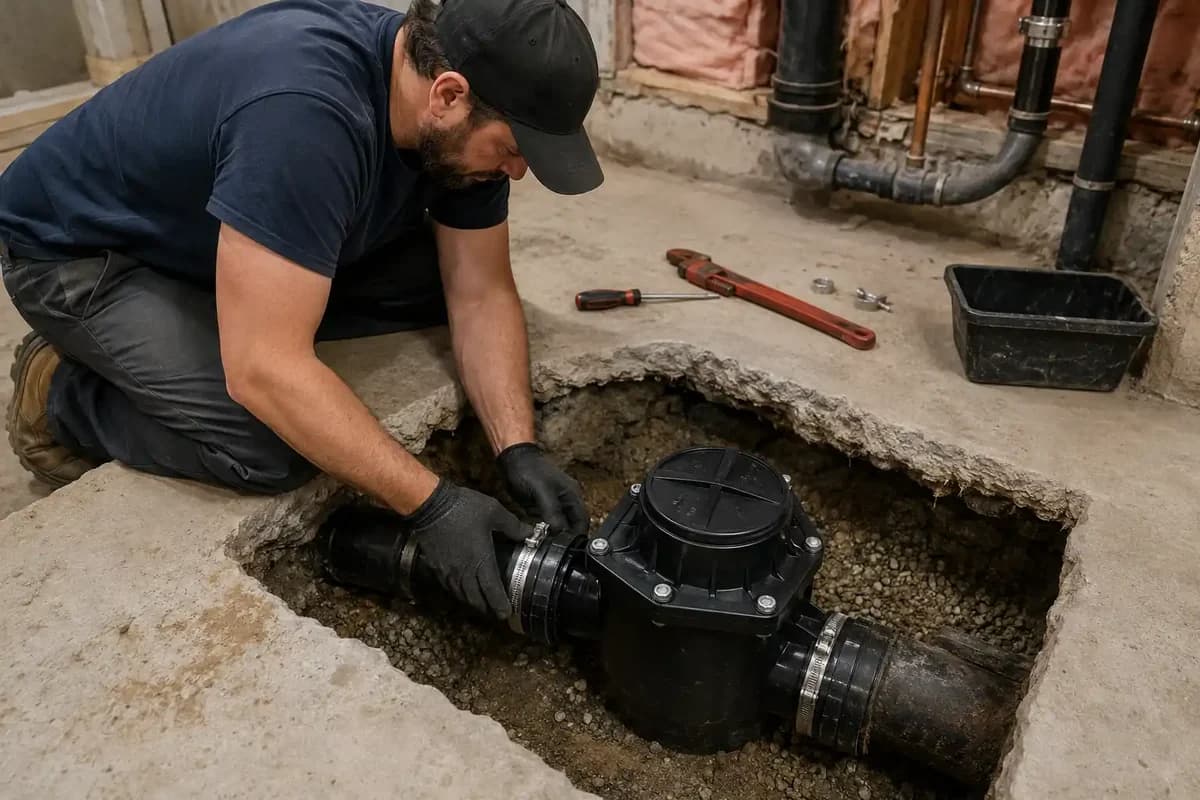
This is the part most Toronto homeowners have not caught up with. The City of Toronto's Basement Flooding Protection Subsidy Program was substantially expanded, and as of May 1, 2026 it offers up to $6,650 per property. The enhanced amounts apply to eligible work completed on or after November 12, 2025, so if you had a valve or pump installed in that window you may still be able to claim it.
The subsidy pays up to 80 per cent of the invoiced cost for each item, capped per device as follows:
| Eligible work | Maximum subsidy |
|---|---|
| Home plumbing assessment (one-time) | $500 |
| Backwater valve, up to two devices | $1,600 per device |
| Sump pump, one device | $2,250 |
| Sump pump battery backup | $300 |
| Foundation drain severance and capping (one-time) | $400 |
| Total maximum per property | $6,650 |
What you need to qualify
The requirements are straightforward, but a few of them catch people out, particularly the downspout condition and the two-year application window.
- You are the registered owner of a single-family, duplex, triplex, or fourplex property in Toronto.
- Your downspouts are disconnected from the sewer, or you hold an exemption. Disconnection is mandatory city-wide, so this is not optional either way.
- The work was done by a contractor holding a valid City business licence.
- You apply within two years of installation.
- You have no outstanding property taxes owing to the City.
- Funds are first-come, first-served, so the timing of your application matters.
What to do in the first hour
If water is in the basement right now, the order matters. Safety first, then stopping the source, then protecting the claim, then mitigation. Our full guide to the first 24 hours after a basement flood covers each step in more depth, but this is the sequence that matters immediately:
- 1Do not enter standing water if it is anywhere near outlets, the panel, or appliances. Shut off power to the area only if you can reach the breaker safely, otherwise wait.
- 2If the water is clean and the source is a pipe or appliance, shut off the supply. If it is coming up through the drain, there is nothing to shut off and you should stay out of the water entirely.
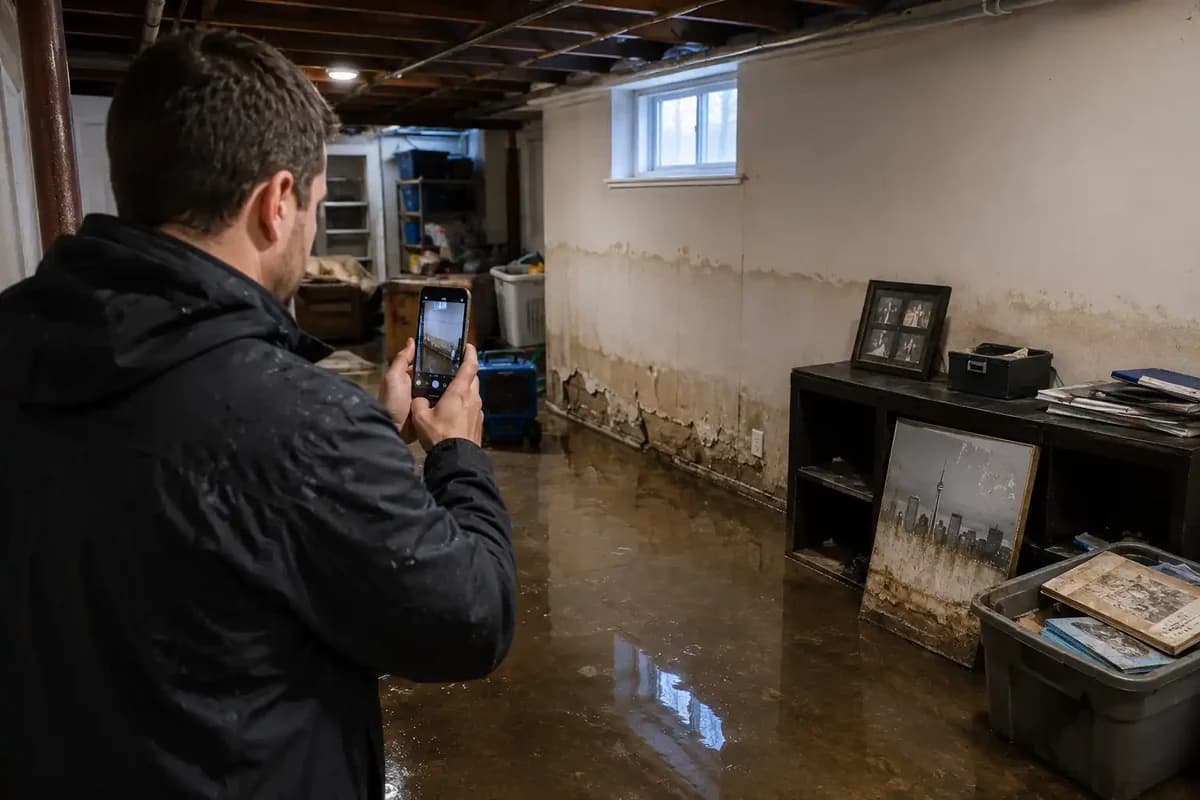
- 3Photograph and video everything before you move or discard anything. This record is the backbone of your claim.
- 4Move what you can reach safely to a dry level, and lift furniture off wet carpet if it is safe to do so.
- 5Call a certified restoration crew. Extraction and drying inside 24 hours is what keeps this from becoming a mould remediation job.
- 6Report the loss to your insurer and keep every receipt for emergency expenses.
What it costs and how insurance applies
There is no single price for water damage, because the number is driven by the category of water, the area affected, how far it wicked into the structure, and how long it sat. A contained Category 1 leak dried in place is a different order of magnitude from a Category 3 backup through a finished basement. Our breakdown of water damage restoration costs walks through each factor.
The more useful question for most Toronto homeowners is who pays. Sudden and accidental events, a burst pipe or a failed water heater, are typically covered by a standard policy. The two causes most likely to flood a Toronto basement, sewer backup and overland flooding, are usually not covered unless you have specifically added those endorsements.
That is the single most important thing to check on your policy before storm season, and it is covered in detail in our guide to what home insurance covers for water damage in Ontario. Given how routinely Toronto sewers surcharge in a heavy summer downpour, going without sewer-backup coverage in this city is a genuine gamble.
Getting a crew on-site in Toronto
When a basement floods, the response window is measured in hours, not days. Restoration Services GTA runs IICRC-certified crews across Toronto around the clock, from the older neighbourhoods around the Annex, Leaside, and the Danforth through to the Beaches and the downtown waterfront, and out across North York, Scarborough, and Etobicoke.
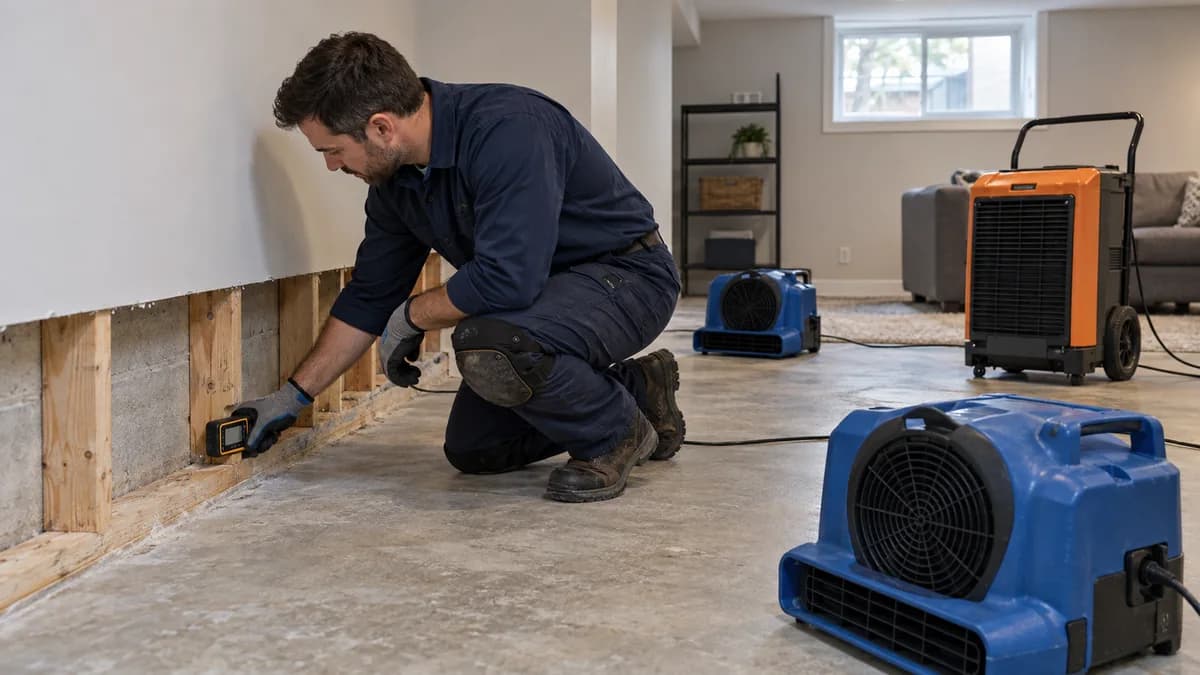
We extract standing water, run LGR dehumidifiers and air movers, and use thermal imaging to find the moisture that has moved into subfloors and wall cavities where you cannot see it. Category 3 losses get containment, removal, and disinfection before any drying starts. Everything is documented to insurer standards from the first visit and billed to your carrier directly, so on a covered claim your deductible is usually the amount paid directly by the homeowner.
If there is water in your basement now, book a free estimate or call and we will be on-site within the hour.
Related Restoration Services
Restoration Crews Near You
We respond 24/7 across the Greater Toronto Area. Find your city:
About the Author
Restoration Services GTA
IICRC Certified Firm
Restoration Services GTA is an IICRC Certified Firm handling water, fire, mould, asbestos, and storm damage across the Greater Toronto Area. Our lead technicians carry Water Damage Restoration (WRT), Applied Structural Drying (ASD), and Fire & Smoke Restoration (FSRT) certifications, and every article here is written from live job experience across GTA properties.
- IICRC Certified Firm
- IHSA COR Certified
- WSIB Ontario Covered
- EACO Member