

Toronto · Restoration Services
Flood and Water Damage Restoration in Toronto
Certified flood restoration crews on-site anywhere in Toronto within the hour, billed directly to your insurer.
(416) 639-624224/7 Emergency Dispatch
Request a Free Water Damage Quote in Toronto
No obligation. Certified crews on-site within the hour. We bill your insurer directly.
- IICRC-certified
- Direct insurance billing
- 24/7 dispatch
Water Damage
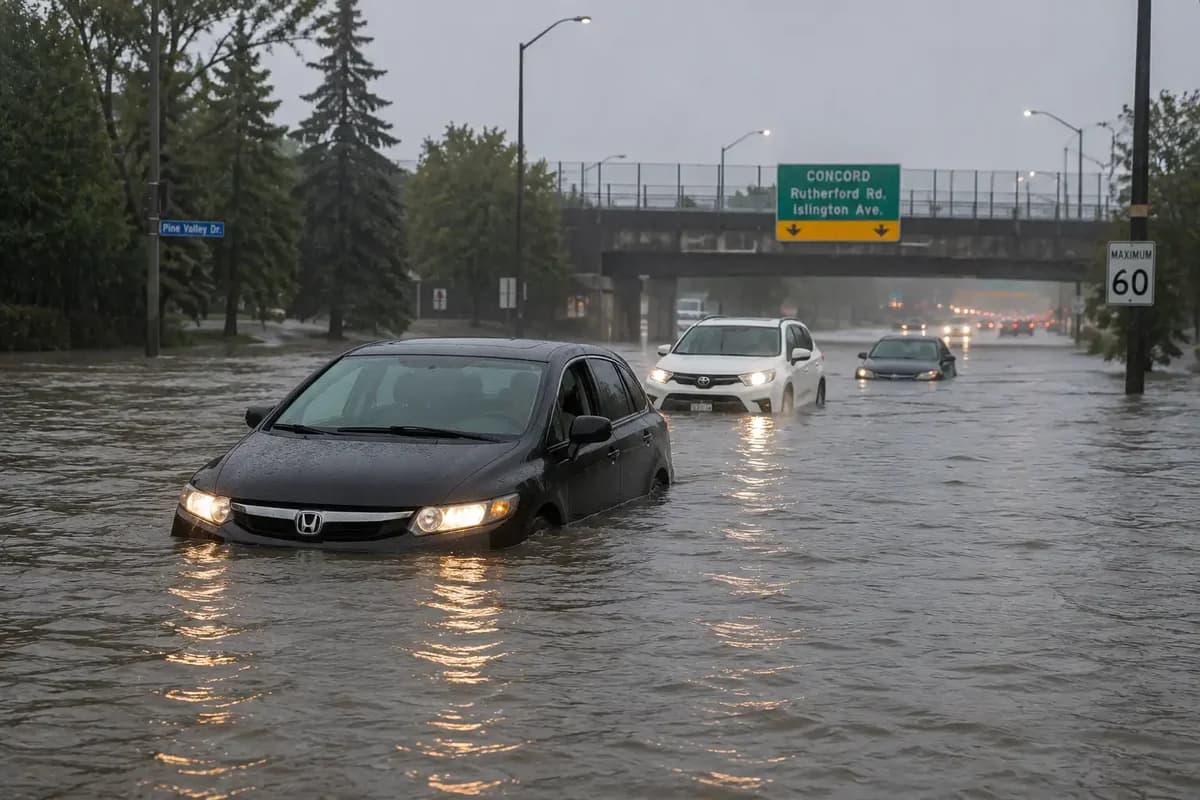
Much of older Toronto sits on combined sewers that carry sanitary flow and storm runoff in the same pipe, so a heavy downpour arrives faster than the system can clear it and the basement floor drain becomes the relief point. Water comes up from below rather than in through the walls, which makes it a Category 3 loss from the first minute.
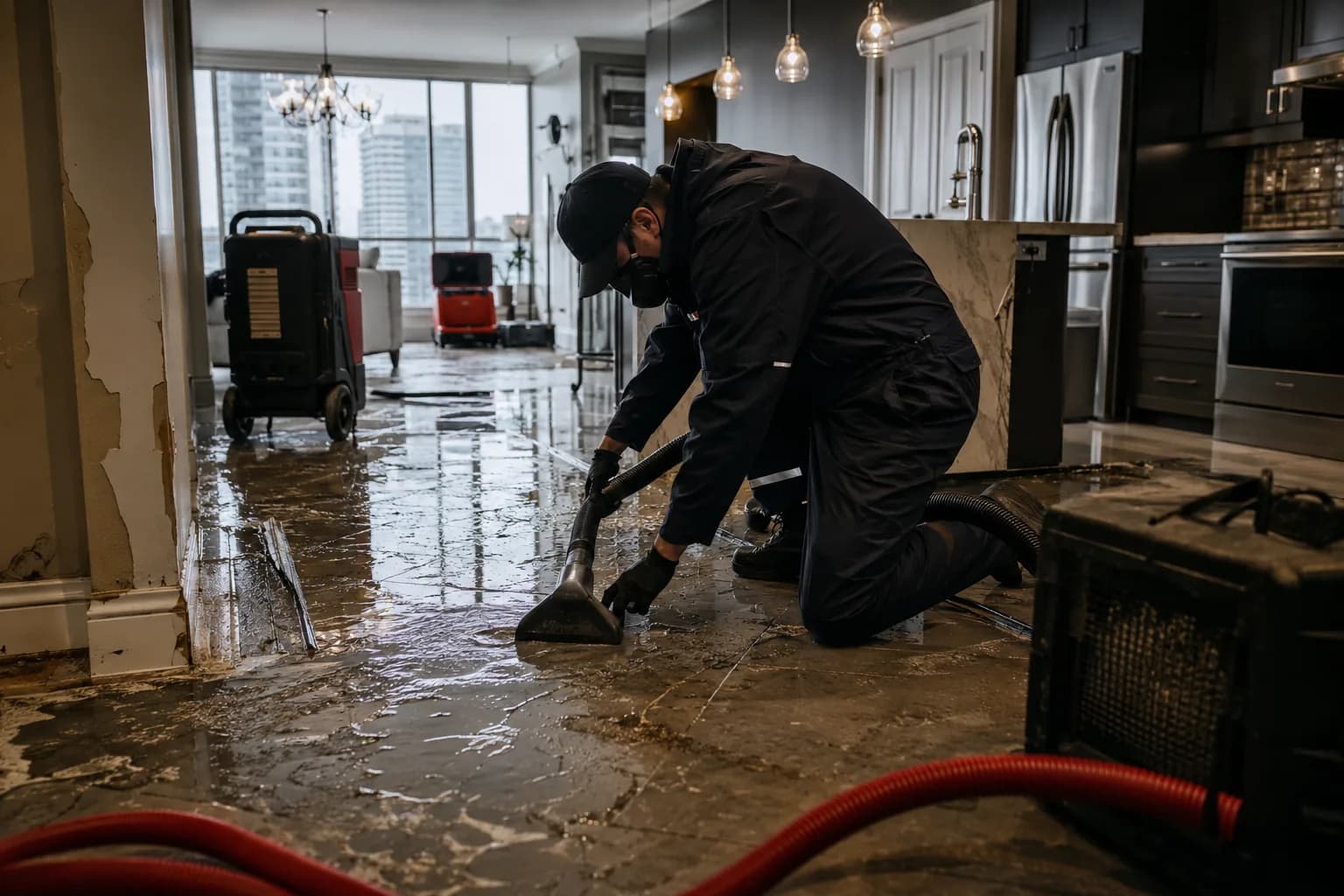
Restoration Services GTA runs IICRC-certified flood and water damage restoration crews across Toronto 24 hours a day, from The Annex, Leaside, and the Danforth outward. We extract standing water, remove what the water has contaminated, disinfect, and dry the structure back to verified moisture readings, documenting every step to insurer standards and billing your carrier directly.
How It Works
Our Water Damage Process in Toronto
Inspection & Assessment
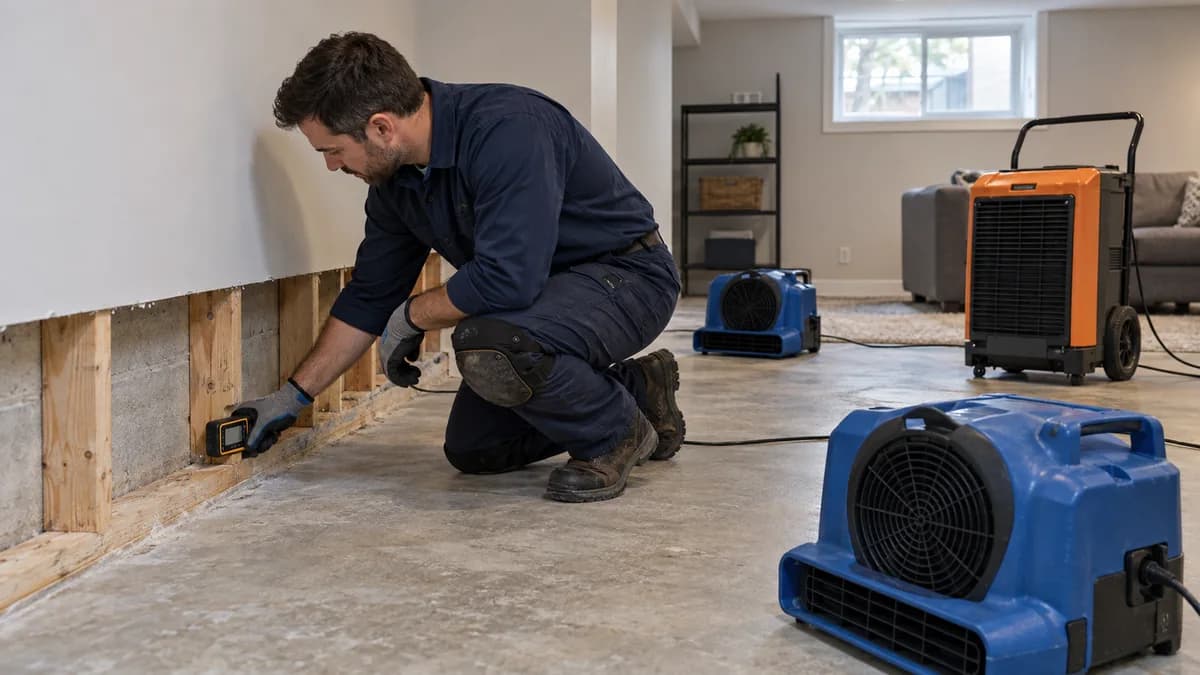
We stop the source and map the full extent of the loss with thermal imaging and moisture meters, documenting everything for your insurance claim.
Water Extraction
Truck-mounted extractors and submersible pumps remove standing water fast, so the structure can start drying the same day.
Structural Drying
Commercial air movers and LGR dehumidifiers dry the structure to verified dry standard, monitored daily until it's complete.
Restoration
We disinfect, deodorize, and rebuild drywall, flooring, and paint, returning your property to pre-loss condition.
Flood Restoration Across Toronto
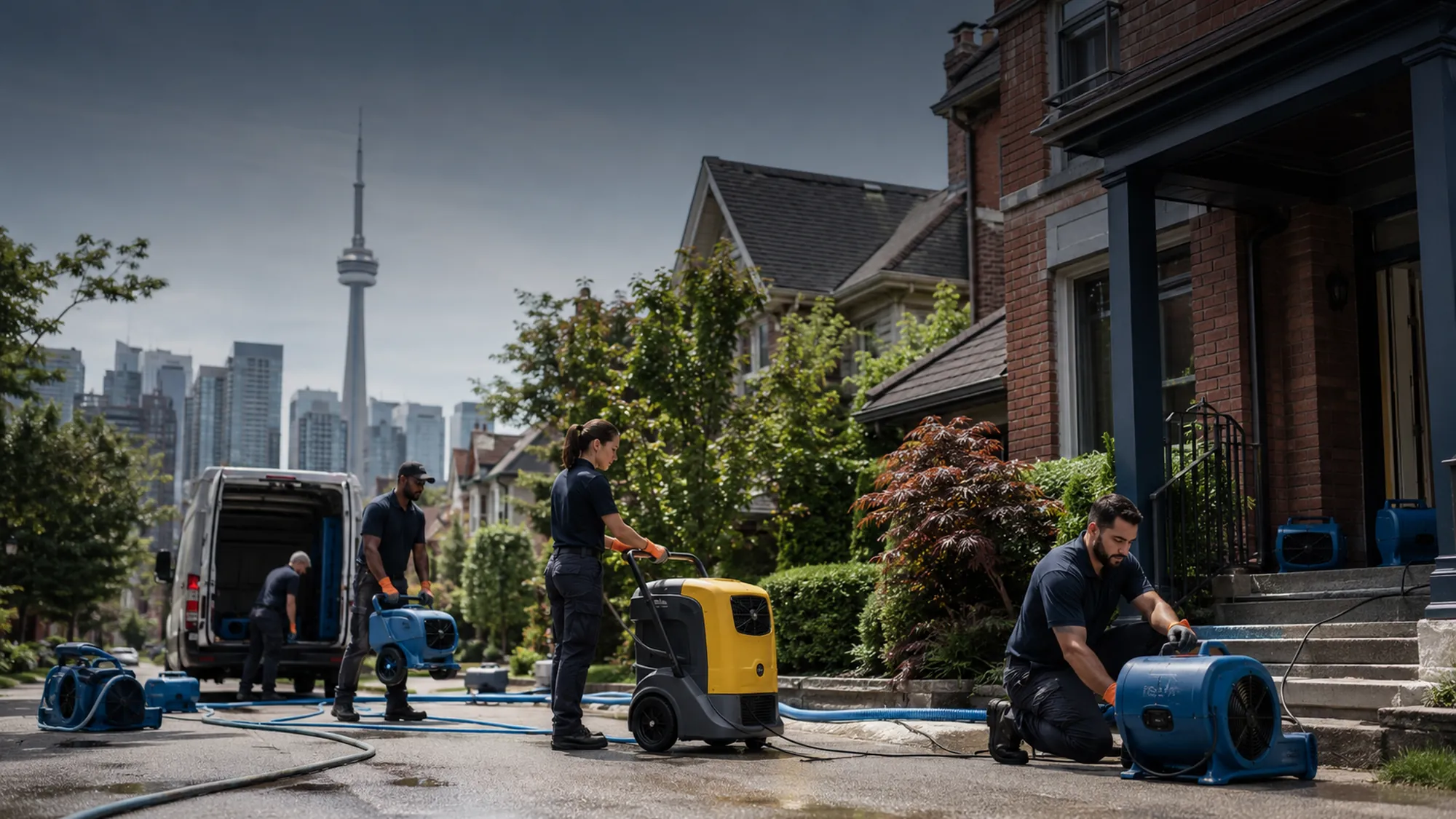
We handle flood and water damage restoration for detached homes, semis, condo units, rental properties, and businesses throughout Toronto. Crews arrive with truck-mounted extraction, LGR dehumidifiers, air movers, and thermal imaging, so the loss is stabilized on the first visit.
Toronto pairs older detached homes and finished basements in established neighbourhoods like the Annex and Leaside with dense downtown condo towers, giving the city an unusually wide mix of water, fire, and mould risks.
Whichever way the water got in, speed decides the bill. Water extracted and dried inside 24 hours usually leaves the structure intact. Water left to sit turns a cleanup into a demolition and a mould remediation, and it puts your insurance claim at risk.
- Emergency water extraction & pump-out
- Structural drying with LGR dehumidifiers & air movers
- Sub-floor thermal imaging to find hidden moisture
- Sewage cleanup & disinfection
- Direct insurance billing
Where Toronto floods come from
Much of older Toronto sits on combined sewers that carry sanitary flow and storm runoff in the same pipe, so a heavy downpour arrives faster than the system can clear it and the basement floor drain becomes the relief point. Water comes up from below rather than in through the walls, which makes it a Category 3 loss from the first minute.
Four pathways account for nearly every flood call we take in Toronto. Which one you are dealing with sets the category of water, decides what can be saved, and largely determines whether your policy responds.
| Pathway | Typical Toronto setting | Water category |
|---|---|---|
| Creek or river overflow | Properties near the Humber River, the Don River, and Highland Creek during heavy rain or rapid melt | Category 3 |
| Sewer and drain backup | Surcharging sewers arriving up through the basement floor drain | Category 3 |
| Groundwater and hydrostatic pressure | Low-lying lots and high water table, seeping through slab joints and foundation cracks | Category 1 to 2 |
| Burst pipes and appliance failure | Any property, any season, unrelated to weather | Category 1 if caught fast |
Why Category 3 is a different job entirely
Water that has been through a creek or a sanitary sewer is grossly contaminated no matter how clean it looks, and it cannot be dried in place. It is handled as sewage-grade cleanup: containment first, then removal of affected drywall, insulation, and underpad, then disinfection, and only then drying.
What a finished lower level adds
An unfinished basement that takes on water is a cleanup. A finished one is a reconstruction. Drywall wicks water well above the visible line, underpad holds it, and engineered flooring delaminates. The same event that costs a few thousand dollars in a storage basement runs several times that once there is drywall, trim, flooring, and a bathroom involved.
What a Toronto flood restoration involves
There are four stages to this, and they have to happen in order.
Water out, contaminated material out, disinfect what stays, then dry. Structural drying is the stage that decides whether the job holds, and it runs to verified meter readings rather than to a schedule or to how the room feels.
Cutting drying short is the single most common failure we are called back to fix. A Toronto basement can feel completely dry while the framing and subfloor are still wet inside, and the result is a mould remediation a month or two later. Every reading we take goes into the file your insurer receives.
- Truck-mounted extraction and submersible pumps for standing water
- Controlled removal of Category 3 contaminated materials
- Antimicrobial treatment and disinfection of the affected area
- LGR dehumidification and air movers, monitored to a verified dry standard
- Thermal imaging to locate moisture inside subfloors and wall cavities
- Full reconstruction to pre-loss condition under one contract
Flood prevention help available to Toronto homeowners
The City of Toronto runs the Basement Flooding Protection Subsidy Program, which is worth checking before you spend anything on flood-proofing.
It provides up to $6,650 per property at up to 80 per cent of invoiced cost, covering backwater valves to $1,600 per device for up to two, a sump pump to $2,250, a battery backup to $300, a home plumbing assessment to $500, and foundation drain severance to $400. Terms and funding change, and most programs are first-come first-served, so confirm the current rules on the official City of Toronto page before booking any work.
We are not the ones who pay it out, and we have no stake in whether you claim it. We flag it because a backwater valve or a sump pump costs a fraction of a single flooded basement, and most homeowners we meet have never heard of the program.
Property Emergency? Don't Wait.
Secondary damage starts within hours. Our certified crews are on call 24/7 across the GTA.
Why Choose Us
Why Toronto trusts Restoration Services GTA
24/7 Emergency Response
Crews on call around the clock, typically on-site within the hour.
IICRC-Certified Crews
Trained, certified technicians working to industry standards.
Direct Insurance Billing
We document the loss and bill your carrier directly.
One Team, Start to Finish
Mitigation through full reconstruction under one roof.
Our Google Rating
Restoration Services GTA: 5.0 / 5 from 3 Google reviewsBusiness-wide rating across all services.
Frequently Asked Questions
How fast can you get to a flood in Toronto?
Within the hour, 24 hours a day. Our crews cover all of Toronto including The Annex, Leaside, the Danforth, and the Beaches, and arrive with extraction and drying equipment ready to stabilize the loss on the first visit rather than just assess it.
Why does my Toronto basement flood?
Much of older Toronto sits on combined sewers that carry sanitary flow and storm runoff in the same pipe, so a heavy downpour arrives faster than the system can clear it and the basement floor drain becomes the relief point. Water comes up from below rather than in through the walls, which makes it a Category 3 loss from the first minute. Where the water enters tells you which it is: up through the floor drain points to sewer backup, through a slab joint or foundation crack with no storm involved points to groundwater, and over a window well points to surface water and grading.
What does flood restoration cost in Toronto?
It depends on the category of water, the area affected, how far it wicked into the structure, and how long it sat. A contained clean-water loss dried in place costs a fraction of a Category 3 flood through a finished basement. We provide a free on-site estimate and, on covered claims, bill your insurer directly so your deductible is usually the amount paid directly by the homeowner.
Does home insurance cover flooding in Toronto?
It depends entirely on the cause. Burst pipes and appliance failures are sudden and accidental, so a standard policy typically responds. Overland flooding and sewer backup generally require optional endorsements you have to add on purpose. Gradual seepage through a foundation is usually excluded. We document the loss to insurer standards from the first visit either way.
Can flood water be dried out, or does everything have to come out?
Clean supply water caught quickly can often be dried in place. Creek water and sewer backup are Category 3, so porous materials that absorbed it have to be removed and the space disinfected before drying starts. Trying to dry Category 3 in place is the most common reason a basement gets restored twice.
Do you offer flood restoration and water restoration in Toronto, or just water damage repair?
They are the same service under different names. Flood restoration, water restoration, flood cleanup, and water damage restoration in Toronto all describe the same work: extraction, removal, disinfection, structural drying, and reconstruction, run by IICRC-certified technicians and billed directly to your insurer.
More Restoration Services in Toronto
One certified team for every property emergency in Toronto.
Water Damage Nearby
We provide the same water damage across the Toronto. Explore nearby communities:
NEED WATER DAMAGE IN TORONTO?
Certified Toronto crews are on call 24/7, on-site within the hour, billed directly to your insurer.