
 Water Damage
Water damage costs vary widely with the category of water, the area affected, and how fast you act. Here's what drives the price, and why response time affects the final cost.
In This Article
Why there's no single price for water damage
It's the first question almost every homeowner asks: what is this going to cost? The honest answer is that water damage restoration doesn't have a flat rate, because no two losses are the same. A small clean-water leak caught early is a fraction of the cost of a sewage backup that sat for days across a finished basement.
Rather than quote a number that won't match your situation, it's more useful to understand what drives the cost. Once you know the factors, you can see why a fast response to water damage restoration is one of the most reliable ways to keep the bill down.
The main factors that drive the cost
Several things determine what a water-damage job costs. The more of these that stack up, the higher the price climbs.
- The size of the affected area and how many rooms or floors are involved.
- The category of water — clean, grey, or contaminated black water.
- How long the water sat before extraction and drying began.
- The materials affected — hardwood, drywall, and finished basements cost more.
- Whether contents, cabinetry, or structural elements need to be removed.
- How much reconstruction is needed to return the space to pre-loss condition.
Water category makes a big difference
Not all water is equal, and the category strongly affects both the process and the price. The more contaminated the water, the more materials must be removed and the more decontamination is required.
| Water Category | Typical Source | Contamination | Cost Impact |
|---|---|---|---|
| Category 1 – Clean | Supply line, overflowing sink | Minimal | Lowest, if handled fast |
| Category 2 – Grey | Appliances, sump overflow | Some contamination | Higher, needs disinfection |
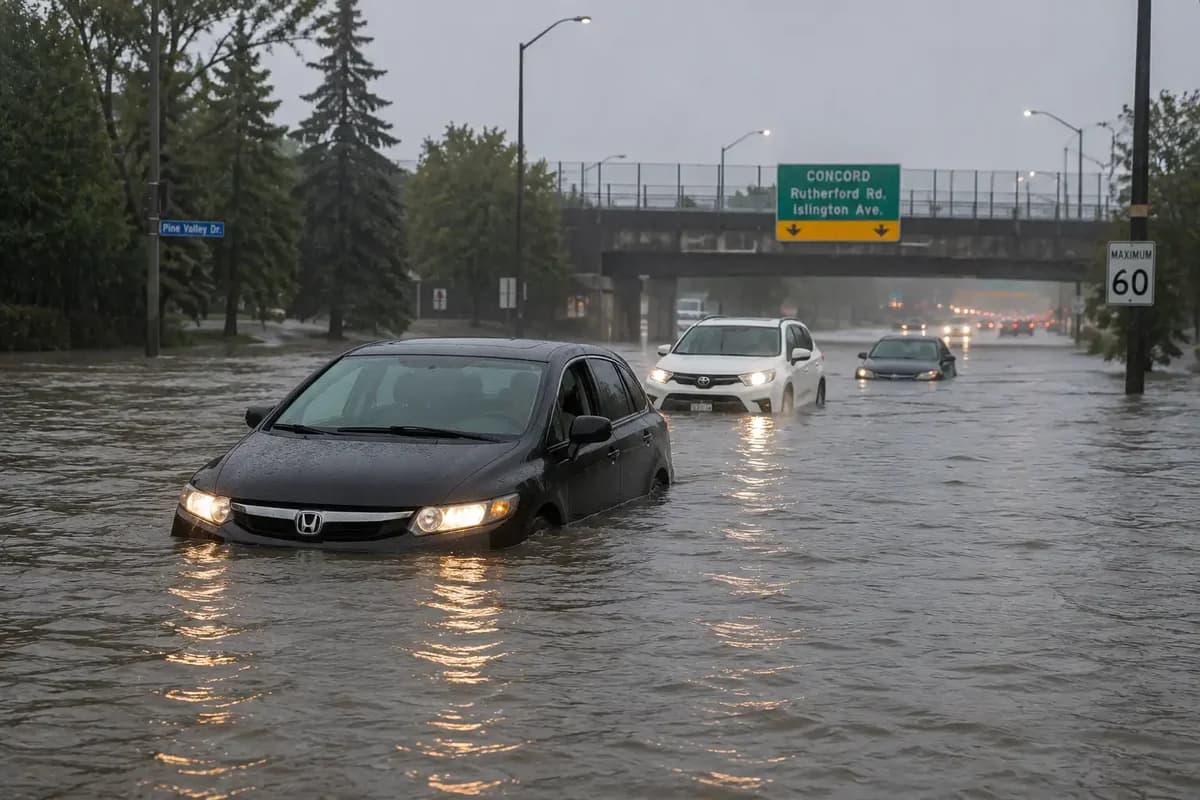
| Category 3 – Black | Sewage backups, flooding | Biohazard | Highest, porous materials removed |
Why acting fast lowers the cost
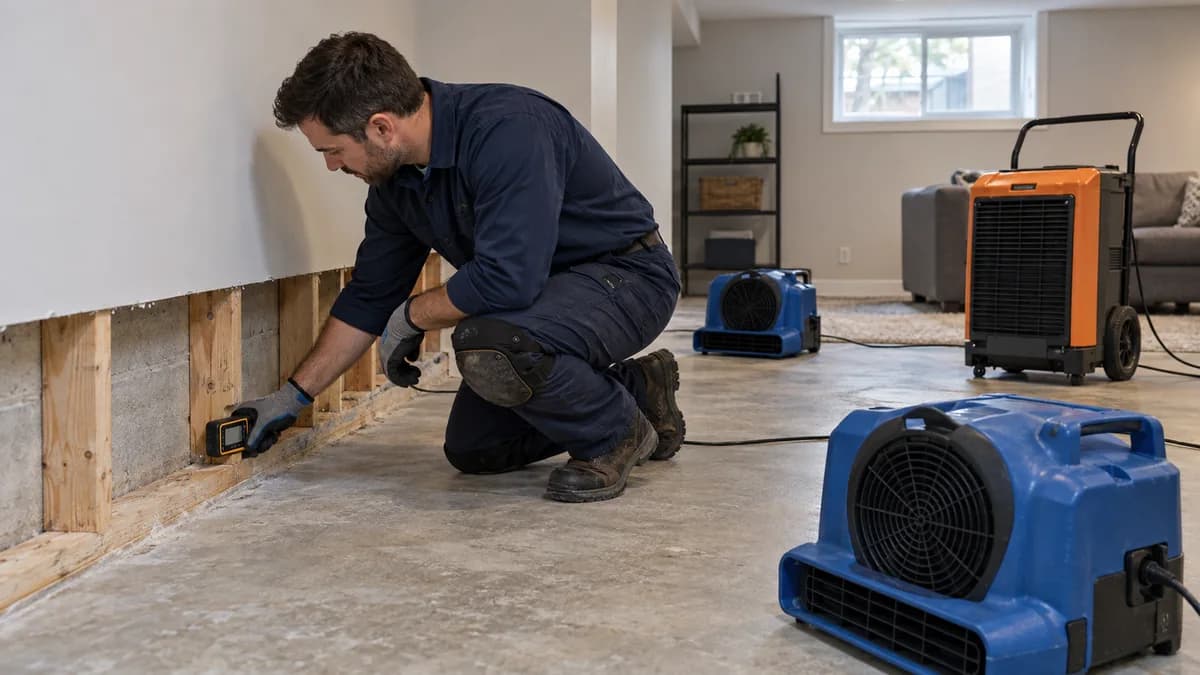
Time is the cost factor most within your control. Water spreads and wicks into materials by the hour, and mould can begin within 24 to 48 hours. A basement that starts drying the same day often has its floors and drywall saved; the same basement left for a week may need those materials torn out and rebuilt.
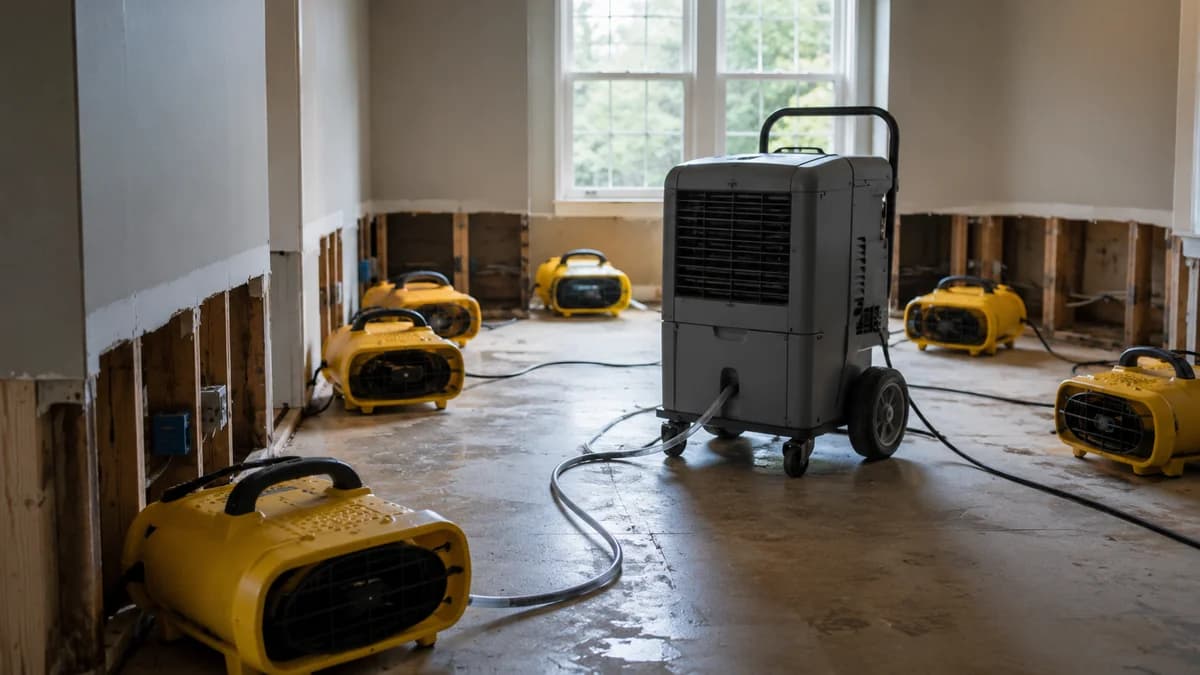
That's why structural drying and dehumidification done quickly and to a verified standard is where the real savings are. Every hour you shave off the response time is materials — and money — kept out of the demolition pile.
How insurance affects the cost
Insurance can change the payment structure: on most covered water losses, you do not pay the full restoration cost directly. You pay your deductible, and your insurer covers the approved scope. Most sudden, accidental losses like a burst pipe or appliance failure are covered by standard policies, though overland flooding and sewer backup often require specific endorsements.
We document the loss to insurer standards from the first visit, use the estimating software adjusters recognize, and bill your carrier directly. For most covered claims, your deductible is usually the amount you pay directly while the insurer handles the approved restoration scope.
Get an accurate number for your situation
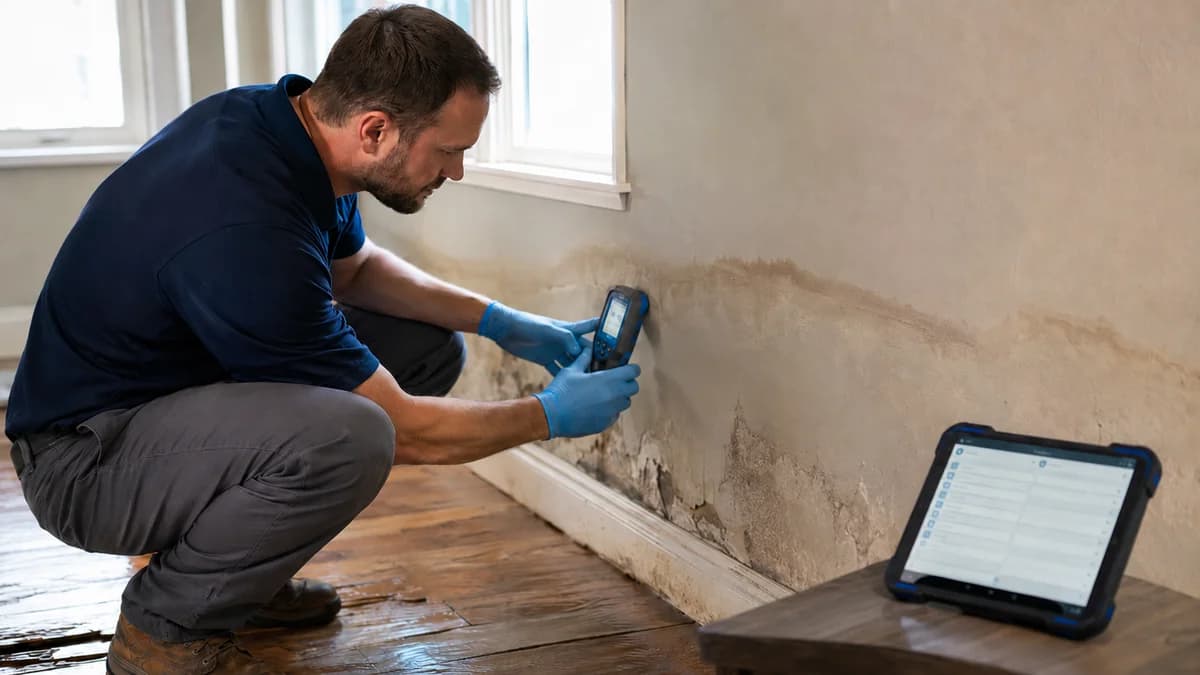
Because the cost depends so heavily on your specific loss, the only way to get a real figure is an on-site assessment. A proper inspection maps the full extent of the damage — including the hidden moisture inside walls and under floors — so the estimate reflects the actual job, not a guess.
Book a free estimate and a certified specialist will assess the damage, explain your options, and give you a clear, written estimate you can hand straight to your insurer — at no cost and with no obligation.
Related Restoration Services
Restoration Crews Near You
We respond 24/7 across the Greater Toronto Area. Find your city:
About the Author
Restoration Services GTA
IICRC Certified Firm
Restoration Services GTA is an IICRC Certified Firm handling water, fire, mould, asbestos, and storm damage across the Greater Toronto Area. Our lead technicians carry Water Damage Restoration (WRT), Applied Structural Drying (ASD), and Fire & Smoke Restoration (FSRT) certifications, and every article here is written from live job experience across GTA properties.
- IICRC Certified Firm
- IHSA COR Certified
- WSIB Ontario Covered
- EACO Member