
 Water Damage
Drying the building and finishing the repairs run on different schedules. Learn what affects your water damage restoration timeline, how drying is verified, and what to ask before work starts.
In This Article
How long will it take to get your home back?
For a straightforward residential water loss, professional drying may take around three to five days once extraction is complete and drying equipment is running. That is a general planning range, not a Toronto-specific average or a deadline for your property. Dense materials, hidden moisture and contaminated water can extend the work. SERVPRO's flood recovery guidance gives the same broad drying range.
Complete water damage restoration takes longer when flooring, drywall or cabinetry needs replacement. Ask for two milestones: when the affected structure should be dry, and when the rooms should be ready to use again. Repairs may add days or weeks, with extensive reconstruction taking longer.
Restoration Services GTA provides water damage restoration across Toronto and the surrounding GTA, including extraction, structural drying and repair planning. A useful schedule starts with an inspection of what got wet, how far the water travelled and whether the source has been stopped.
The water restoration timeline, stage by stage
These stages can overlap. Contents may be moved while extraction continues, and repair planning can begin during drying. The table is a planning guide; it does not replace an assessment or promise a completion date.
| Stage | What happens | What determines completion |
|---|---|---|
| Emergency assessment and extraction | The crew checks hazards, maps affected areas and removes accessible standing water. | Safe access, control of the water source and the amount of water to remove. |
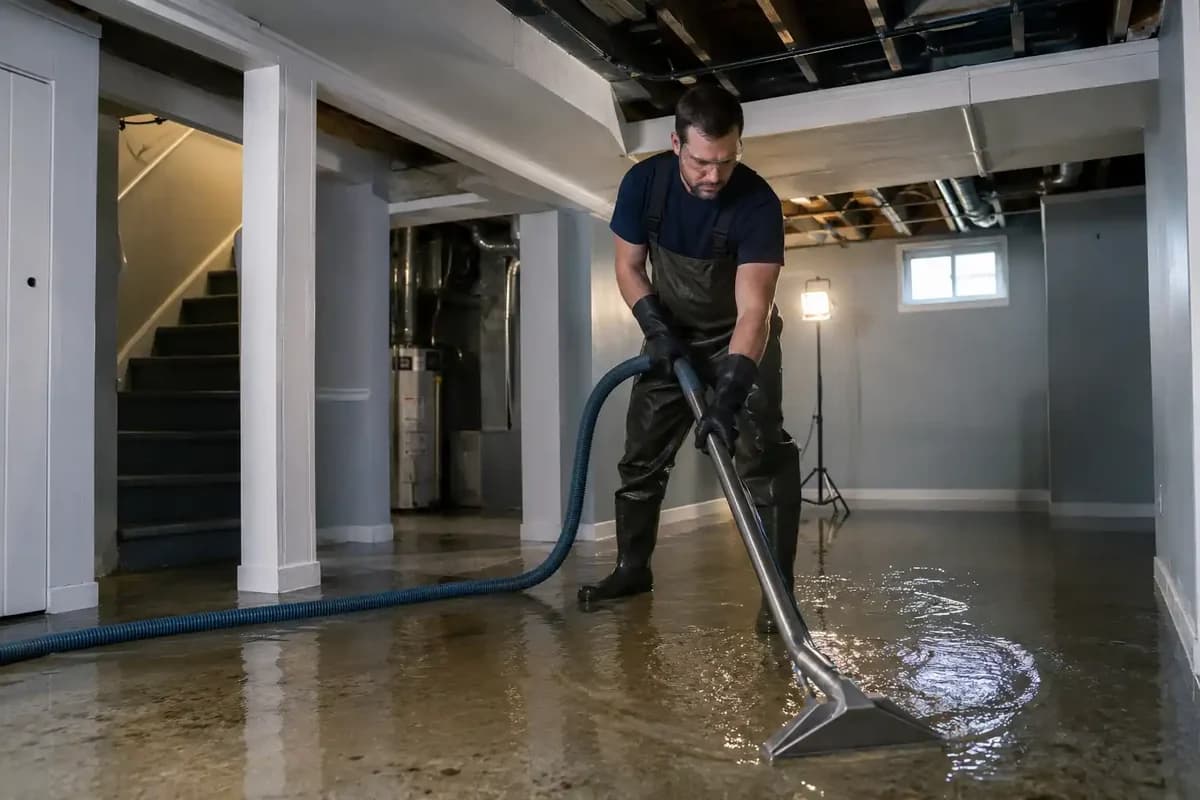
| Selective removal and cleaning | Materials are assessed for drying, cleaning or removal; concealed wet areas may need access. | Contamination, material condition and the extent of hidden damage. |
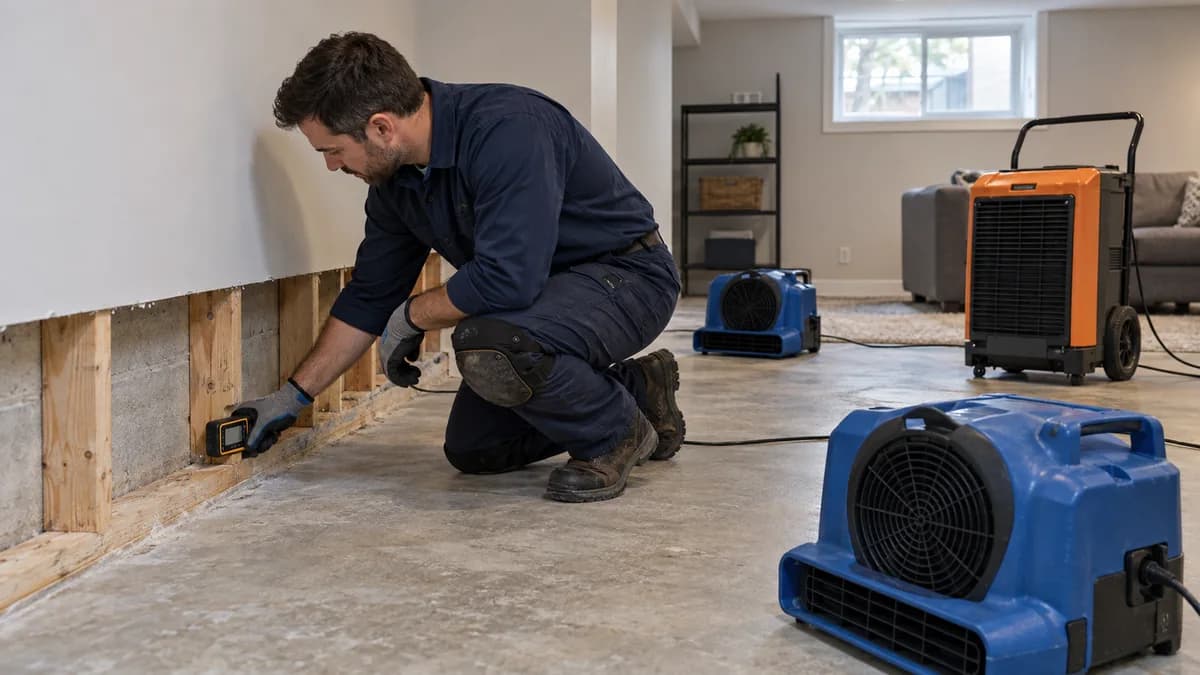
| Structural drying | Air movement and dehumidification help release and remove moisture from salvageable materials. | Documented moisture readings meeting the drying goals for those materials. |
| Repairs and reinstatement | Damaged finishes are replaced, repaired and checked before handover. | The agreed scope, material deliveries, trade availability and any required approvals. |
Why one Toronto property takes longer than another
The number of wet rooms is only part of the picture. A small bathroom leak can reach the ceiling below, while a larger spill on an accessible surface may leave fewer concealed areas to investigate. The construction of the home matters as much as the visible puddle.
Water trapped beneath finished surfaces
Finished basements can hide wet insulation, subfloors and wall cavities. A dry-looking floor does not establish that the layers underneath are dry. Ask which assemblies were checked and whether access is needed for structural drying and dehumidification.
The source and condition of the water
A supply-pipe leak and a sewer backup need different cleanup decisions. Health Canada advises special precautions for sewage-contaminated water and explains that contaminated belongings may need disposal. This can change the removal and cleaning scope before repairs begin. See Health Canada's flood cleanup guidance.
Access, source repairs and replacement materials
In a Toronto condo, coordinate with building management when access to another unit, a common area or a service shutoff is needed. In a basement, confirm whether a plumber or another specialist must correct the cause. Replacement flooring or custom cabinets can then affect the repair date even after drying is finished.
How do you know the building is actually dry?
Ask the restorer to explain the initial moisture findings, the target for each affected material and how readings change during drying. An air-humidity reading alone does not tell you whether the subfloor or wall framing is ready to close up. Surface appearance and touch are also insufficient to assess concealed moisture.
The public overview of ANSI/IICRC S500 for professional water damage restoration covers inspection, drying technology, materials and project documentation. For the homeowner, the practical question is simple: what evidence supports moving from drying to repairs?
- Ask which rooms and materials were identified as wet.
- Request an explanation of the drying goals and the readings recorded at follow-up visits.
- Confirm whether inaccessible cavities still need investigation.
- Ask for the completion record and any remaining repair recommendations.
What to do while you are waiting for help
Keep people and pets out of affected areas where electrical, structural or contamination hazards may be present. Do not enter standing water to reach a breaker or an appliance. Contact the electrical utility or a qualified electrician if water may have affected electrical equipment. Shut off a leaking supply only if the valve is safely accessible.
Take photos from a safe location and record when the leak or flood was discovered. For an active claim, contact your insurer promptly and ask what documentation they need. Coverage and authorization depend on the policy and loss; a restoration estimate does not establish insurance coverage.
Health Canada says prompt drying reduces the likelihood of mould after flooding. That is a reason to start safe mitigation promptly, not a reason to wait for a particular number of hours. Read the flood cleanup advice.
Questions to ask before accepting a restoration quote
An estimate is easier to compare when emergency work and later repairs are clearly described. A quote for extraction alone cannot be compared directly with one that includes removal, drying, disposal and reinstatement. Our Ontario water damage restoration cost guide explains the main cost categories.
- Does this scope cover extraction, cleaning, drying and monitoring?
- Which materials are expected to be saved, and what could change that decision?
- Who is responsible for repairing the original leak or entry point?
- What is the equipment billing basis, and how are additional days authorized?
- When will I receive the next update and a separate repair schedule?
Arrange water damage restoration in Toronto and the GTA
If you have a burst pipe, wet ceiling or flooded basement, tell us where the water appeared, whether it is still entering and which rooms are affected. Photos taken safely can help explain the situation, but concealed moisture still needs an on-site assessment.
Restoration Services GTA offers 24/7 emergency assistance for water damage in Toronto, North York, Etobicoke, Mississauga, Vaughan and the wider GTA. Call (416) 639-6242 for current availability, or request a restoration estimate. We can assess the loss and explain the next steps for drying and repairs.
Related Restoration Services
Restoration Crews Near You
We respond 24/7 across the Greater Toronto Area. Find your city:
About the Author
Restoration Services GTA
IICRC Certified Firm
Restoration Services GTA is an IICRC Certified Firm handling water, fire, mould, asbestos, and storm damage across the Greater Toronto Area. Our lead technicians carry Water Damage Restoration (WRT), Applied Structural Drying (ASD), and Fire & Smoke Restoration (FSRT) certifications, and every article here is written from live job experience across GTA properties.
- IICRC Certified Firm
- IHSA COR Certified
- WSIB Ontario Covered
- EACO Member