
 Reconstruction
Mitigation stops the damage, but reconstruction is what makes your home whole again. Here's what the rebuild involves, how long it takes, and why one team should handle both.
In This Article
Mitigation stops the damage — reconstruction completes the repair
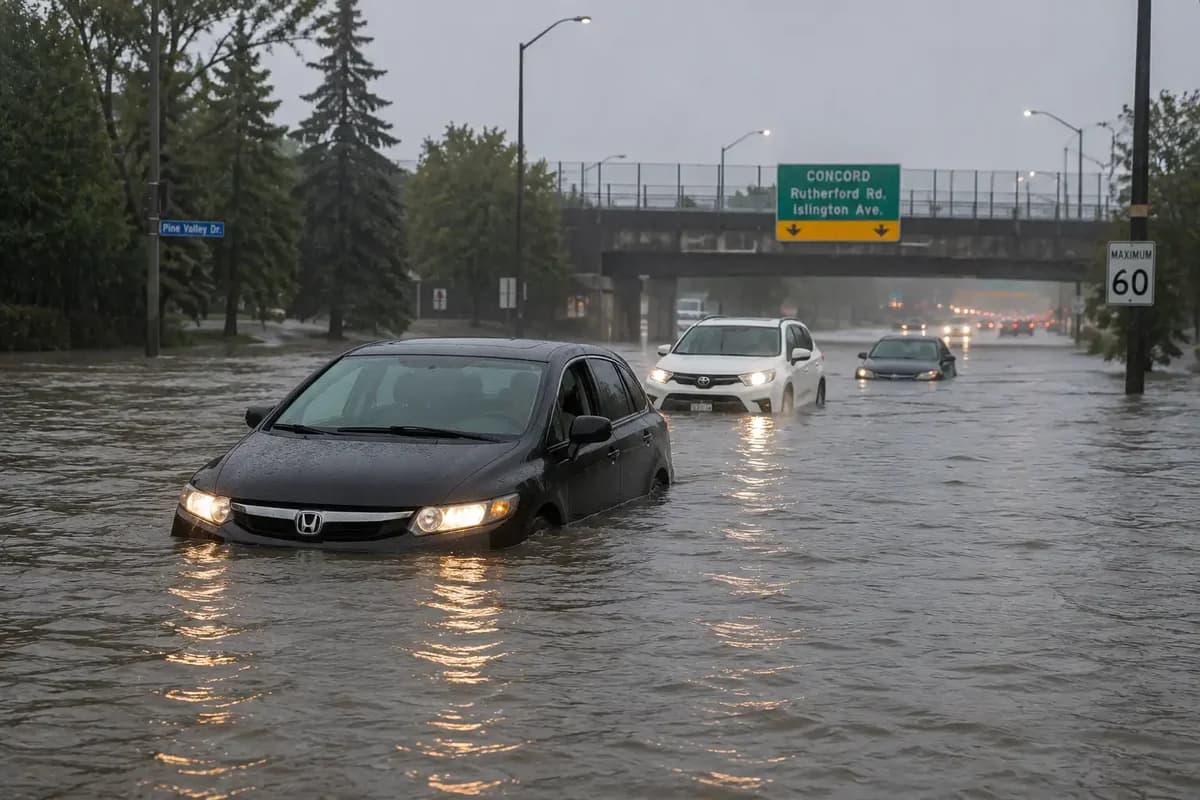
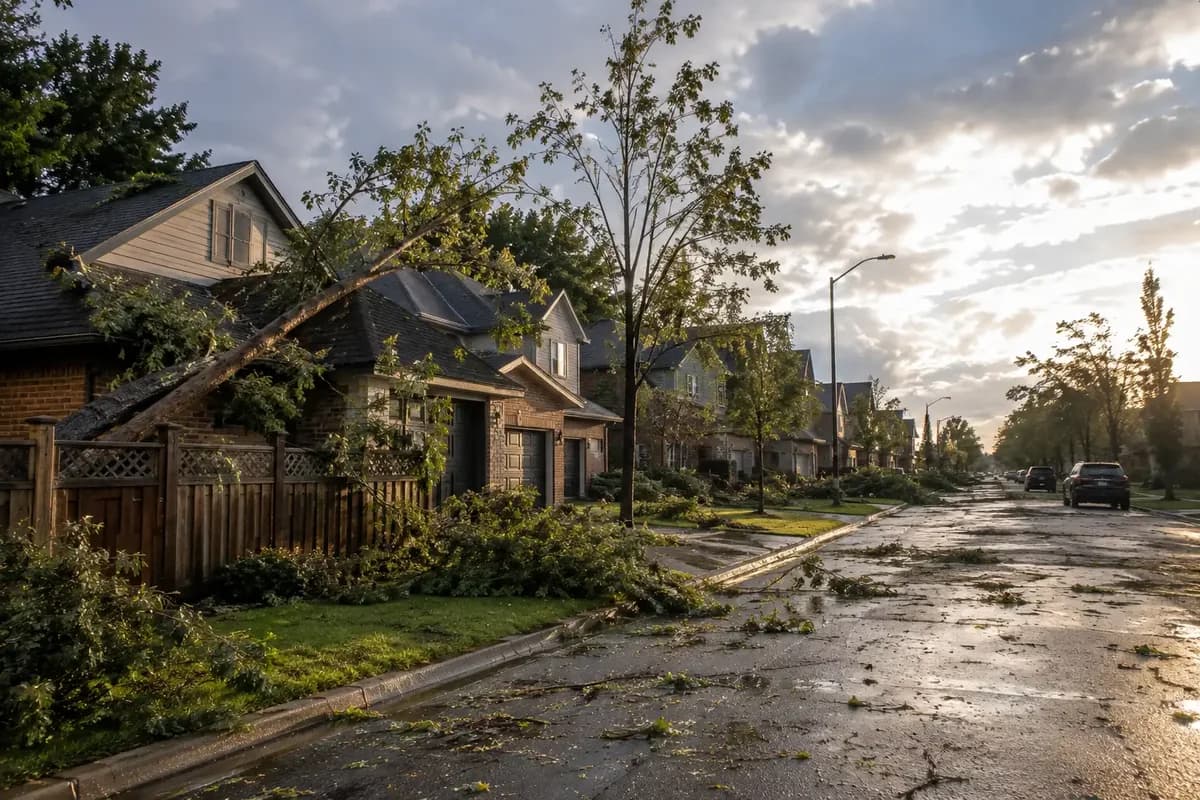
After a flood or fire, the first phase is mitigation: stopping the loss, extracting water, drying the structure, and removing what can't be saved. But that leaves your home torn open, with cut-away drywall, missing flooring, and unfinished rooms. Reconstruction is the phase that rebuilds it back to the way it was.
This is where a lot of homeowners get stranded, handed off from the restoration crew to a separate contractor who was never part of the original job. It's also where delays and finger-pointing creep in. This guide explains what reconstruction and rebuild involves, how long it takes, and why keeping it under one roof matters so much.
What reconstruction includes
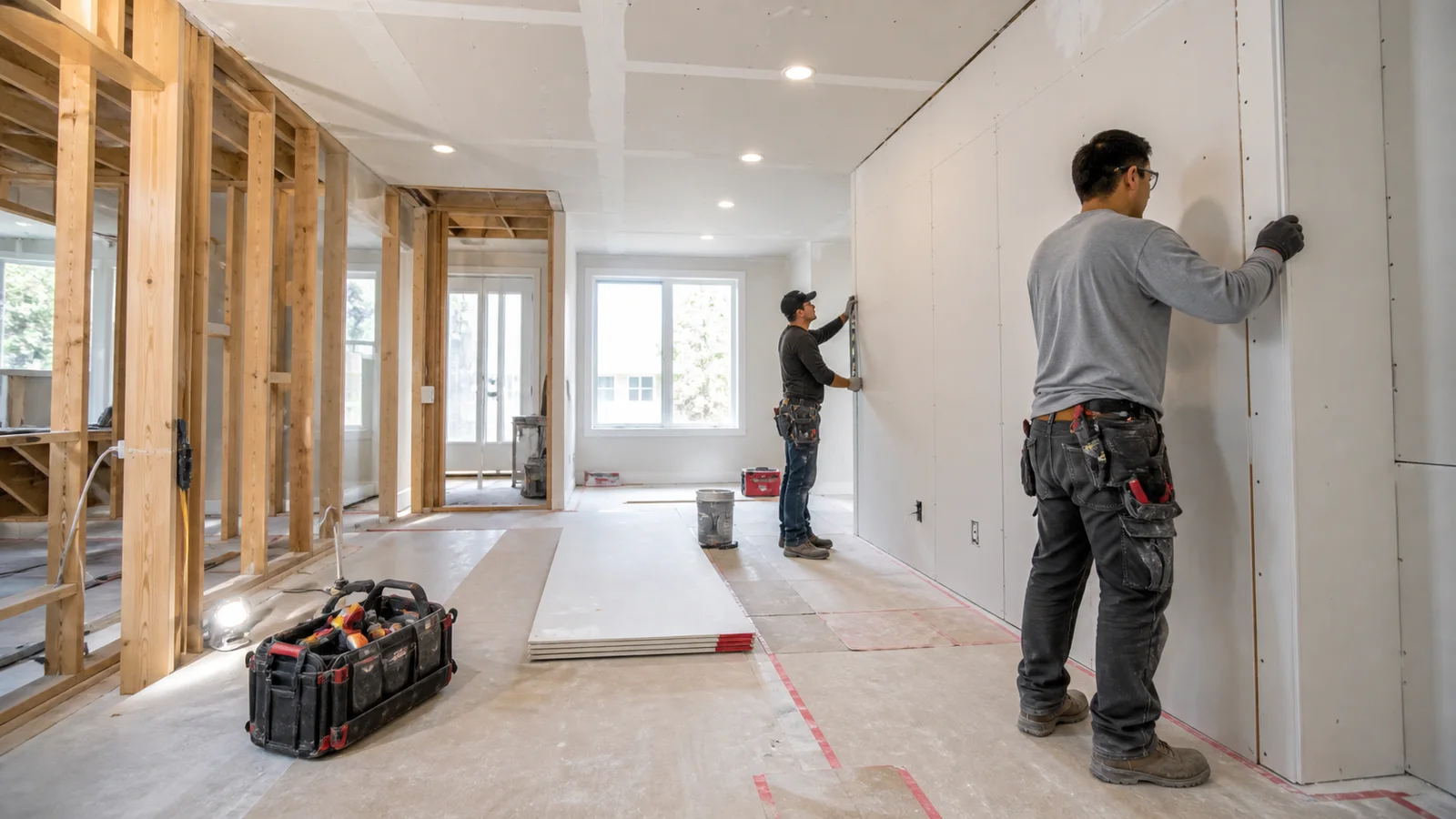
Reconstruction covers everything needed to take a mitigated, dried-out space and make it liveable and finished again. Depending on the loss, that ranges from a single wall to a full rebuild.
| Trade | What It Covers |
|---|---|
| Framing & structure | Repairing or replacing studs, joists, and subfloor |
| Drywall | Hanging, taping, mudding, and sanding new drywall |
| Flooring | Hardwood, laminate, tile, and carpet replacement |
| Trim & doors | Baseboards, casings, interior doors, and cabinetry |
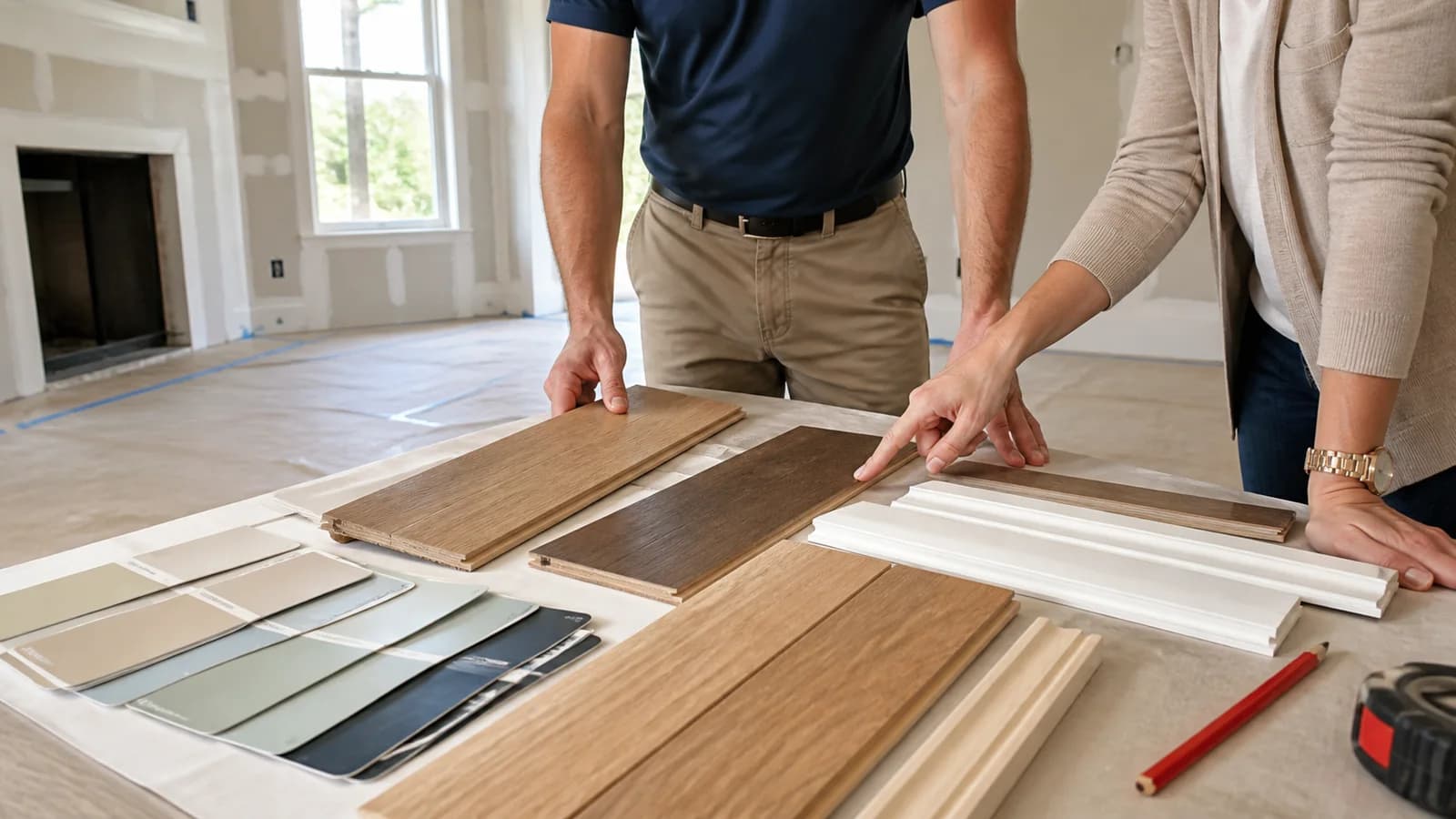
| Paint & finishing | Priming and painting to match the existing finish |
| Kitchens & baths | Rebuilding cabinetry, counters, and fixtures |
The reconstruction process, step by step
Once the structure is verified dry and clean, reconstruction follows a clear sequence. Keeping you informed at each stage is part of doing it right.

- 1Scope and estimate — a detailed, insurer-ready scope of everything that needs rebuilding.
- 2Planning and materials — scheduling trades, ordering materials, and matching existing finishes.
- 3Rebuild — framing, drywall, flooring, trim, and paint, in the right order.
- 4Final walkthrough — a detailed review with you to confirm every detail before sign-off.
Why one team for mitigation and rebuild helps
This is one of the biggest factors in how smoothly your recovery goes. Splitting the job between a mitigation crew and an outside contractor is where gaps often appear: schedules slip, details get missed, and accountability becomes less clear.
- No handoff gap — the rebuild starts the moment drying and cleanup finish.
- One scope and one estimate, so nothing falls between two companies.
- A single point of contact who knows the full history of the loss.
- One coordinated insurance claim instead of two separate billings.
How long does reconstruction take?
It depends entirely on the scope. A single room can be a matter of days, while a major rebuild after a serious fire or flood runs several weeks. After mitigation, your restoration company should give you a clear timeline alongside the estimate, so you know what to expect rather than guessing.
For businesses, the same logic applies with added urgency — every day of closure costs money, so a good commercial rebuild is phased to get you operational again as fast as possible.
Reconstruction and your insurance claim
When reconstruction follows a covered loss, the rebuild is part of the same insurance claim as the mitigation — and handling both under one company keeps that claim clean. There's one scope, one set of documentation, and no gap where two contractors disagree on what's covered.
We produce a detailed reconstruction estimate using the software adjusters rely on, bill your insurer directly, and coordinate through to completion. In most covered claims, the only cost you face out of pocket is your deductible. Facing a rebuild after a loss? Book a free estimate and we'll scope it with you.
Related Restoration Services
Restoration Crews Near You
We respond 24/7 across the Greater Toronto Area. Find your city:
About the Author
Restoration Services GTA
IICRC Certified Firm
Restoration Services GTA is an IICRC Certified Firm handling water, fire, mould, asbestos, and storm damage across the Greater Toronto Area. Our lead technicians carry Water Damage Restoration (WRT), Applied Structural Drying (ASD), and Fire & Smoke Restoration (FSRT) certifications, and every article here is written from live job experience across GTA properties.
- IICRC Certified Firm
- IHSA COR Certified
- WSIB Ontario Covered
- EACO Member