
 Storm
StormGTA summers bring intense downpours, high winds, and flash flooding. A few steps now can spare you a flooded basement or a breached roof when the next storm hits.
In This Article
Why GTA storm season deserves your attention
Every summer, the Greater Toronto Area sees its share of severe weather — sudden thunderstorms, damaging winds, hail, and the intense downpours that overwhelm drains and sump pumps in minutes. The city's aging infrastructure and countless finished basements make storm-driven flooding one of the most common property emergencies we respond to.
The good news is that most storm damage is preventable, or at least reducible, with a bit of preparation. Spending an afternoon now on the checklist below is far cheaper than a flooded basement or a breached roof later. And if a storm does get the better of your home, storm damage restoration is available 24/7.
| Storm Threat | Common Damage | How to Prepare |
|---|---|---|
| Heavy rain and flash flooding | Flooded basement, sewer backup | Sump pump with battery backup, backwater valve |
| High winds | Torn shingles, breached roof, broken windows | Repair loose shingles, trim overhanging trees |
| Hail | Roof and siding damage | Inspect and repair the roof before the season |
| Power outages | Sump pump fails during the storm | Battery or backup power for the sump pump |
Protect against basement flooding
Basement flooding is the single most common storm loss in the GTA, and it's also the most preventable. A few upgrades dramatically lower your risk when the drains back up.
- Test your sump pump and add a battery backup so it keeps running during power outages.
- Install a backwater valve to stop sewer water from flowing back into your home.
- Keep floor drains clear and know where your main water shut-off is.
- Move valuables, electronics, and documents off the basement floor and into sealed bins.
If the basement floods anyway
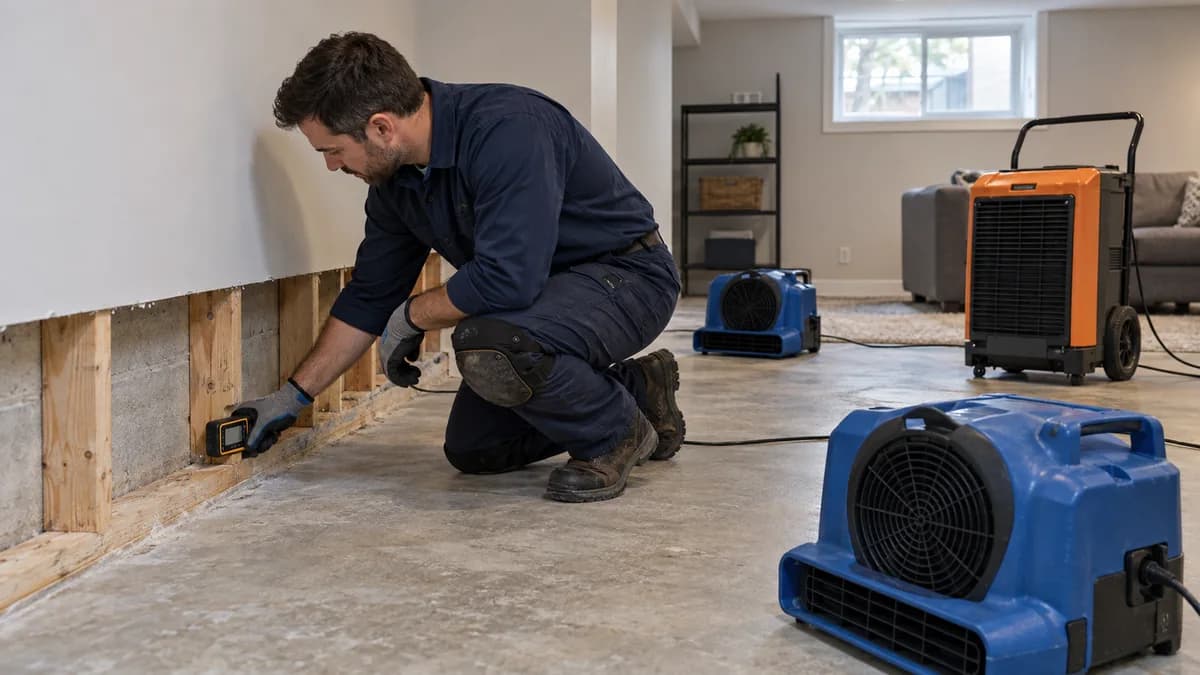
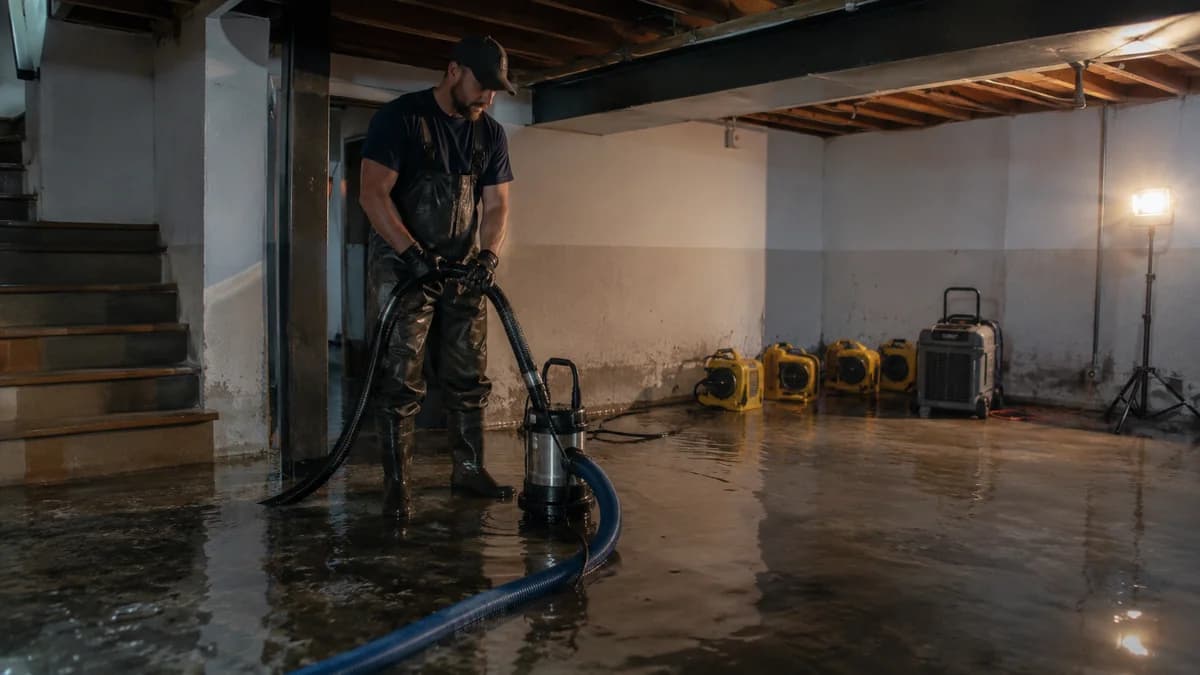
Even a well-prepared home can be overwhelmed by an extreme storm. If water does get in, fast flooded basement cleanup is what keeps a bad day from becoming a mould problem — extraction and drying within the first 24 to 48 hours saves the most materials.
Secure your roof and exterior
High winds and hail target the building envelope — the roof, windows, and siding — and a single breach lets weather pour inside. Getting ahead of it is far easier than repairing water damage after the fact.
- Have loose, cracked, or missing shingles repaired before storm season.
- Clean gutters and downspouts so heavy rain drains away from the foundation.
- Trim tree branches that overhang the roof or hang near the house.
- Check that window and door seals are intact.
Know the local risks
The GTA's geography shapes the kind of storm damage homes see. Understanding your area's risk helps you prepare for the right threat.
Flash flooding and creek overflow
Low-lying areas and homes near creeks and rivers — the Humber, Don, Etobicoke Creek, Highland Creek, and others — see basement flooding and sewer backups spike after every major downpour.
That puts the ravine-adjacent pockets of Toronto and Etobicoke at the front of the queue every summer, along with the newer subdivisions in Brampton and Vaughan where storm sewers were sized for a smaller catchment than they now serve.
Wind and falling trees
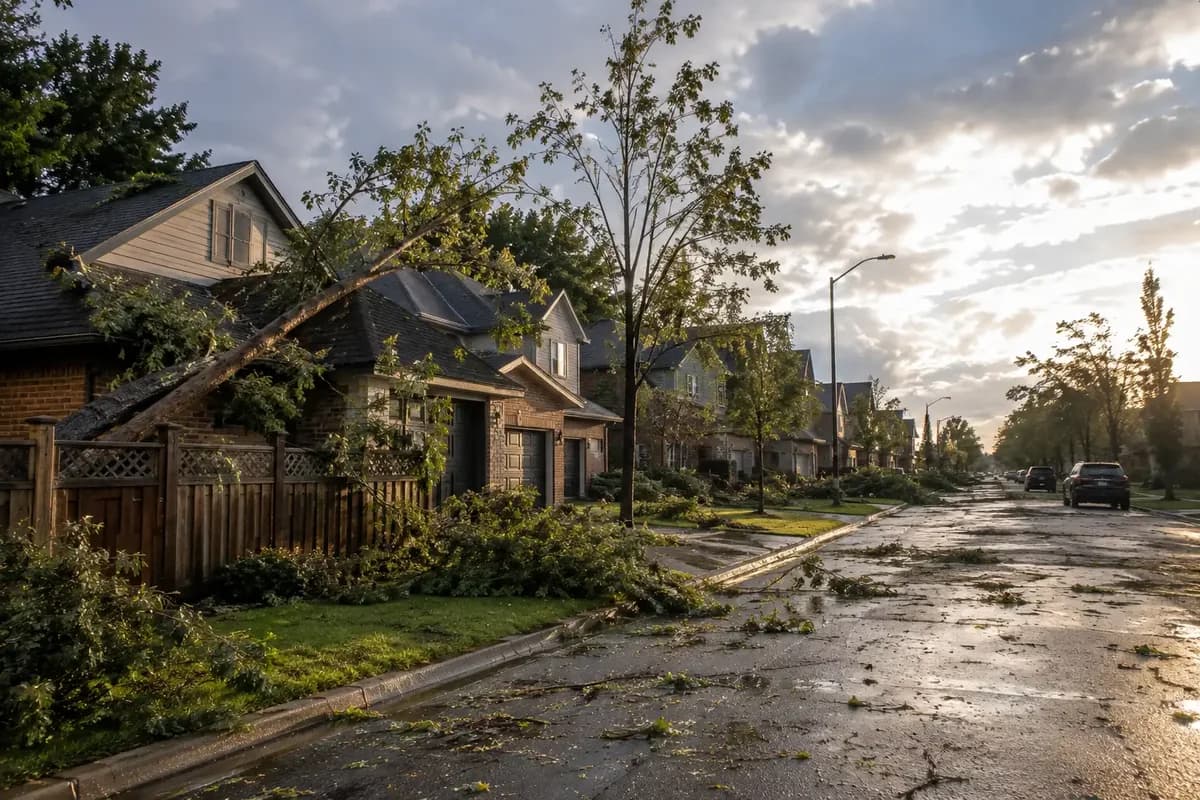
Windstorms bring down mature trees and limbs across the region, breaching roofs and smashing windows. The impact damage is immediate and almost always lets water in.
What to do the moment storm damage happens
If a storm breaches your home, quick action limits the loss. Make sure everyone is safe and stay clear of downed power lines and unstable structures first — then focus on stopping further damage.
- 1Photograph and video all the damage before you clean up or move anything.
- 2If it's safe, move belongings away from water intrusion and contain the area.
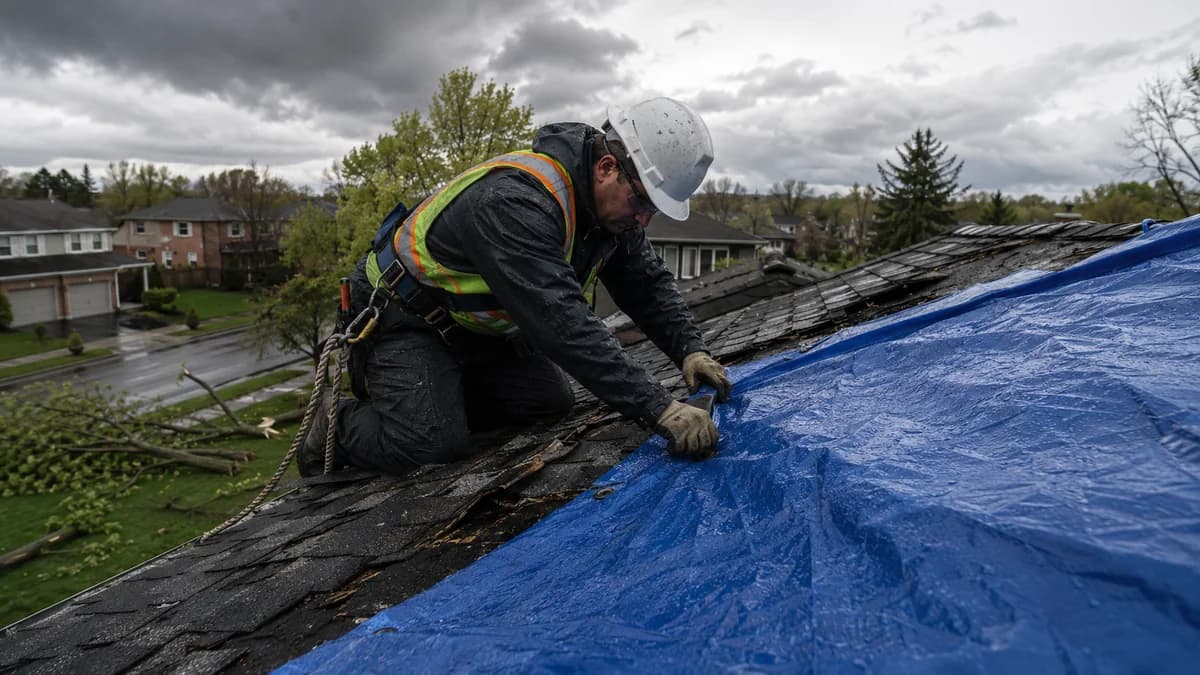
- 3Call for emergency board-up and tarping to seal breaches in the roof or windows.
- 4Report the loss to your insurer and keep receipts for any emergency expenses.
Storm damage and your insurance
Most sudden storm losses — wind, hail, fallen trees, and the water intrusion they cause — are covered by standard property insurance. Two of the biggest GTA risks, however, often need add-ons: sewer backup and overland flooding are commonly excluded from base policies, so it's worth confirming you have those endorsements before storm season, not after.
When storm damage does strike, we document the loss from our first emergency visit, work directly with your adjuster, and bill your carrier directly. From the first tarp to the final repair, it stays one coordinated claim. Book a free estimate if you want your property assessed before the next big storm.
Related Restoration Services
Restoration Crews Near You
We respond 24/7 across the Greater Toronto Area. Find your city:
About the Author
Restoration Services GTA
IICRC Certified Firm
Restoration Services GTA is an IICRC Certified Firm handling water, fire, mould, asbestos, and storm damage across the Greater Toronto Area. Our lead technicians carry Water Damage Restoration (WRT), Applied Structural Drying (ASD), and Fire & Smoke Restoration (FSRT) certifications, and every article here is written from live job experience across GTA properties.
- IICRC Certified Firm
- IHSA COR Certified
- WSIB Ontario Covered
- EACO Member