
 Fire
FireFire damage restoration in Toronto usually costs $7,000 to $700,000+, but insured homeowners often pay only their deductible. See costs by scenario, permits, and GTA factors.
In This Article
How much does fire damage restoration cost in Toronto?
Short answer: fire damage restoration in Toronto typically costs about $7,000-$20,000 for a small contained kitchen fire, $33,000-$92,000 for a one-room fire, and $250,000-$700,000+ for a whole-house fire or structural rebuild. On a covered insurance claim, many homeowners do not pay that full amount out of pocket; they usually pay the deductible while the insurer pays the approved scope.
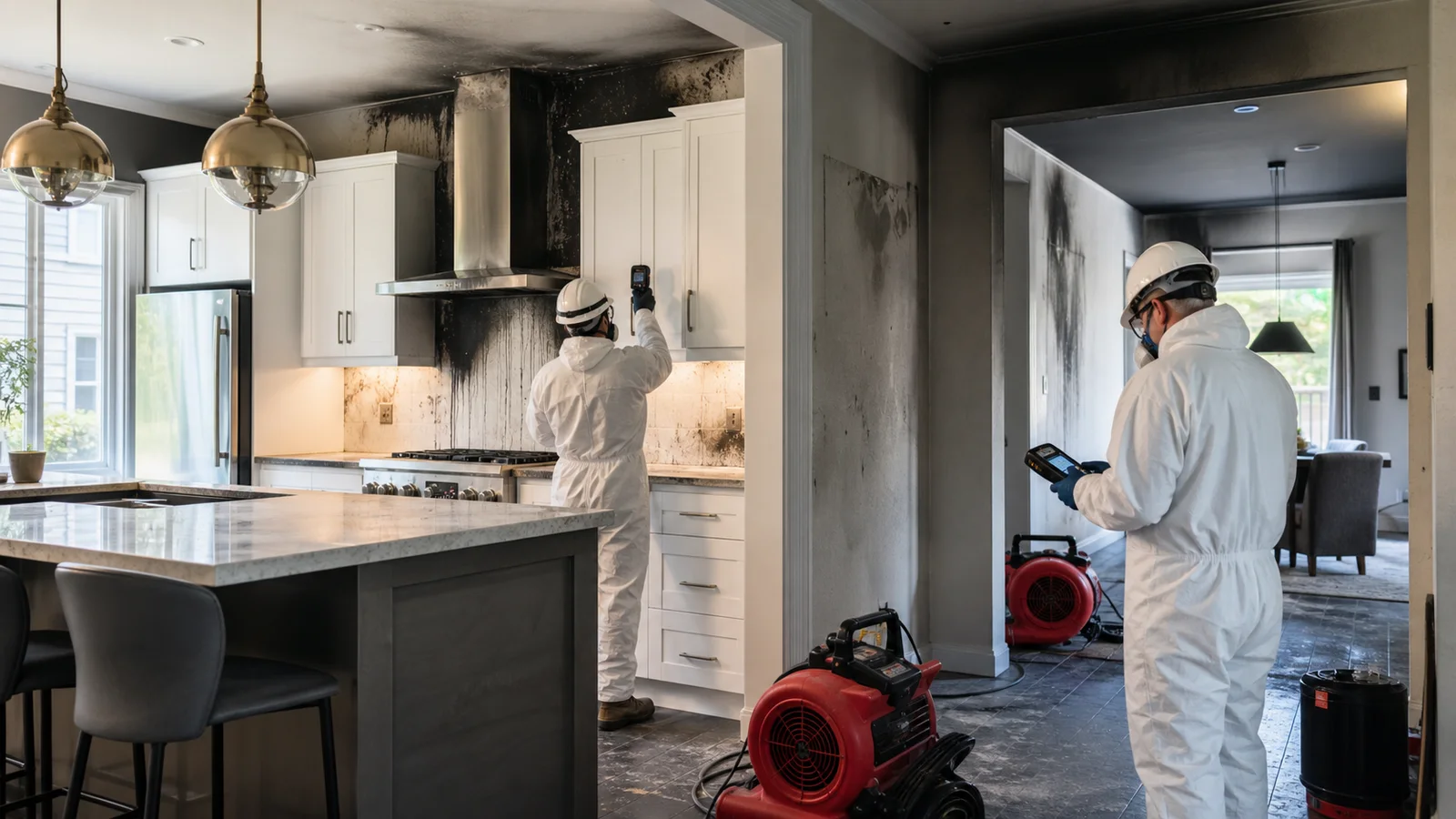
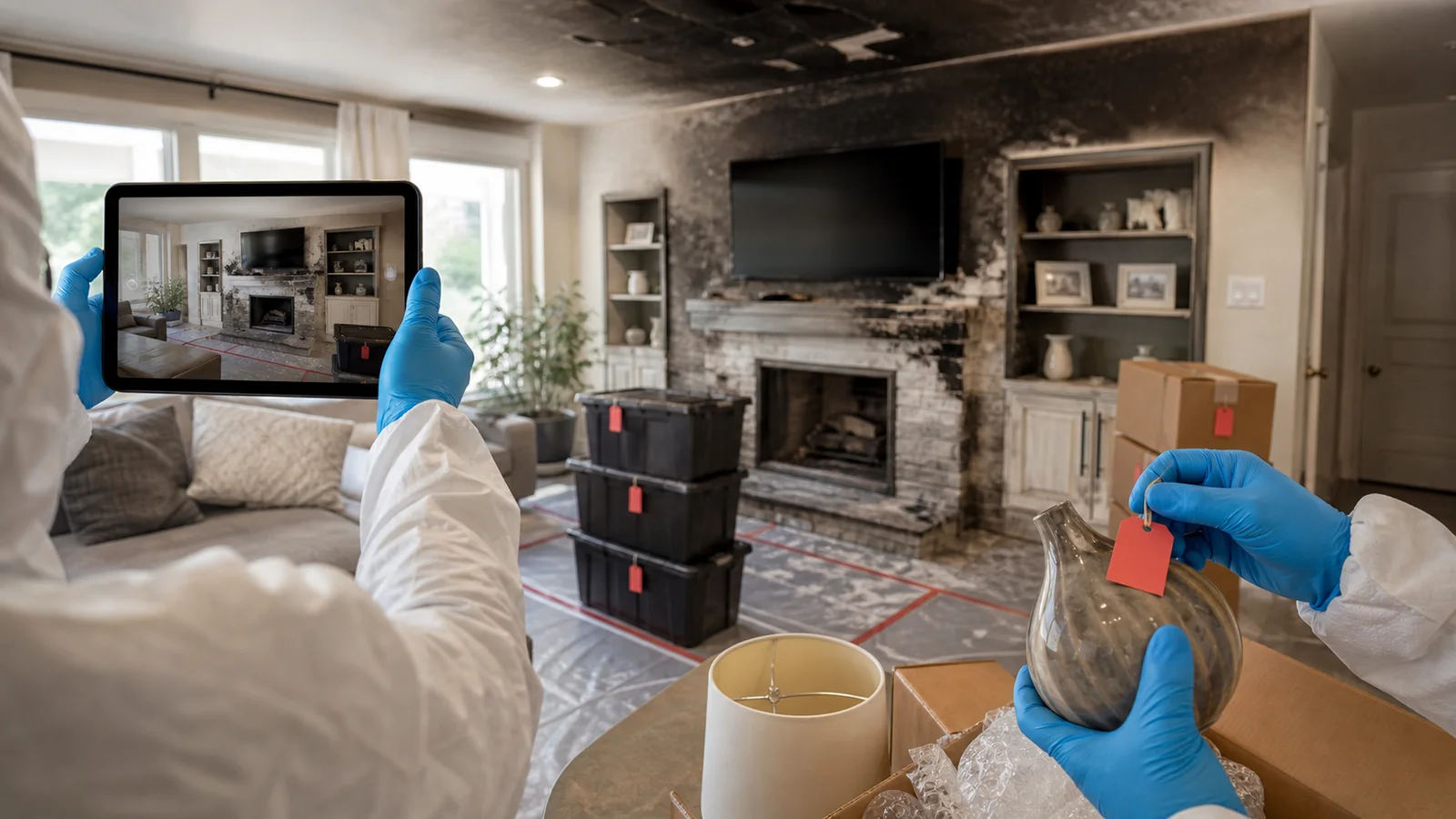
Those totals can include emergency board-up and tarping, smoke and soot damage repair, odour removal, contents inventory, contents pack-out, water drying from firefighting, and reconstruction. Toronto jobs often price higher than smaller Ontario markets because older semi-detached homes, high-rise condos, laneway access, heritage finishes, and premium materials can make cleanup and rebuild slower.
How much does fire restoration cost by type of damage?
Because severity drives everything, the clearest way to estimate fire restoration cost is by the type of damage. These are typical Toronto planning ranges for mitigation, contents, and reconstruction together; your final number depends on the site inspection, insurance scope, and what can be cleaned rather than replaced.
| Question | Typical Toronto Cost |
|---|---|
| How much is a small kitchen flash fire? | $7,000 – $20,000 |
| How much is smoke-only damage with no burn zone? | $16,000 – $55,000 |
| How much is a contained one-room fire? | $33,000 – $92,000 |
| How much is a multi-room fire? | $125,000 – $300,000 |
| How much is a whole-house fire? | $250,000 – $700,000+ |
What factors increase fire restoration cost?
Two fires of similar size can cost very differently. A professional scope looks at residue type, odour travel, affected building systems, contents, safety, and documentation. The IICRC S700 fire and smoke restoration standard describes assessing fire residues and odours across buildings, HVAC systems, and contents, while the IICRC Fire and Smoke Restoration Technician certification covers scoping, cleaning, deodorization, mitigation, and documentation.
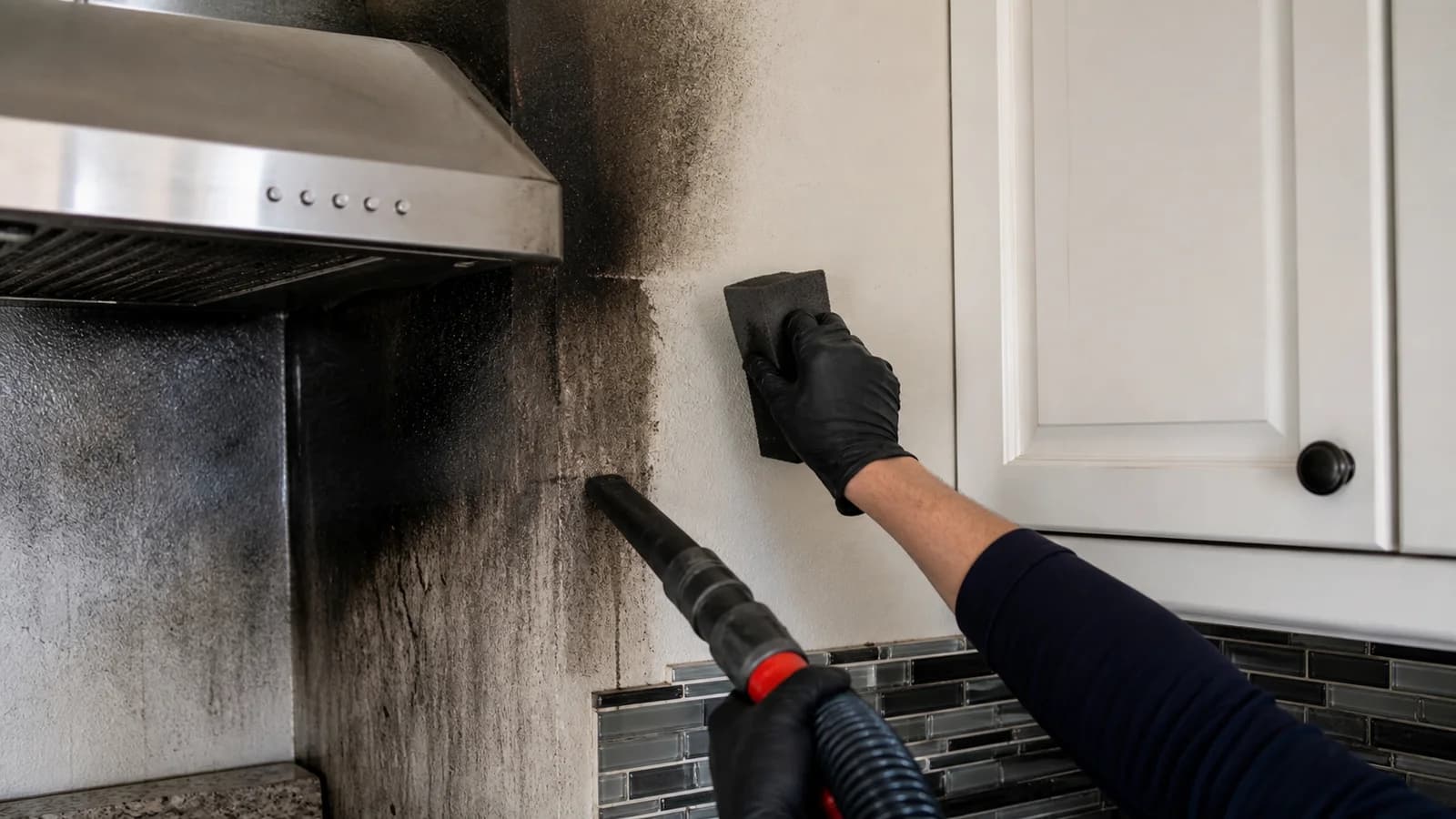
- Damage mix: flame, smoke, soot, odour, and water from firefighting each need different labour and equipment.
- Smoke travel: soot often reaches rooms the flames never touched, especially in connected Toronto semis, condos, and townhomes.
- Response time: acidic soot keeps etching surfaces, so delay can turn cleaning into replacement.
- Building systems: smoke in HVAC, electrical concerns, and wet insulation can expand the scope.
- Contents: the estimate changes based on how much can be cleaned, deodorized, packed out, or replaced.
- Rebuild scope: drywall, flooring, cabinets, trim, paint, and structural repairs drive the largest cost swings.
Where does the money go in a fire restoration estimate?
A fire claim usually splits across three phases: emergency mitigation, contents, and reconstruction. Knowing the breakdown helps you read an estimate, compare scopes, and understand why the rebuild often dominates the total.
| Phase | What It Covers | Share of Total |
|---|---|---|
| Mitigation | Board-up, soot and smoke cleaning, odour removal, water drying | 15 – 30% |
| Contents | Inventory, pack-out, cleaning, and restoring belongings | 10 – 30% |
| Reconstruction | Rebuilding the structure back to pre-loss condition | 50 – 70% |
Does insurance cover fire damage restoration in Ontario?
Usually, yes. The Government of Canada's home insurance guidance lists fire, including wildfires, as a type of unexpected event a home policy may cover. The Insurance Bureau of Canada fire coverage guidance also notes that standard homeowner's and tenant's policies cover fire damage unless the fire was intentionally caused. Your own policy still controls deductibles, exclusions, coverage limits, and settlement terms.
That is why the amount paid directly by the homeowner is often much smaller than the restoration estimate. Deductibles in Toronto commonly run $500 to $2,500, with $1,000 common, so a $125,000 claim may still cost the homeowner only the deductible if the scope is covered. We document the loss to insurer standards, bill your carrier directly when available, and coordinate with your adjuster through cleanup, contents, and rebuild.
Do Toronto fire repairs need a building permit?
Often, yes, when the repair work restores building components after a fire. The City of Toronto's Fire Damage building permit guide describes a permit for repairs required to restore a building to its original condition after fire damage.
Permit needs can affect both cost and timeline, especially when framing, floor assemblies, roof assemblies, stairs, guards, plumbing fixtures, smoke alarms, carbon monoxide detectors, or structural elements are involved. Cosmetic cleaning and deodorization are different from rebuild work, so a proper scope should separate mitigation from permitted reconstruction.
- Ask whether the estimate includes permit drawings, engineering, inspections, or code-related upgrades.
- Condo and multi-unit losses may also need property manager, board, or building operations coordination.
- When reconstruction is required, keeping mitigation and rebuild under one accountable team helps prevent delays between cleanup and repairs.
Why do Toronto and GTA fire restoration costs vary by area?
Local conditions change the estimate. A downtown Toronto restoration job may involve parking limits, elevators, older plaster, or tight access; North York, Scarborough, and Etobicoke homes often include older basements and mixed-age additions; Mississauga and Vaughan losses may involve larger homes, newer finishes, and more contents to inventory.
Those details matter because the estimate is built around the actual site: how crews access the property, how far smoke travelled, how much needs pack-out, whether the home can be occupied, and how quickly trades can rebuild affected rooms.
- Downtown and older Toronto homes: tighter access, older finishes, and more complex smoke travel.
- Condos and townhomes: elevator bookings, building rules, neighbouring-unit odour complaints, and common-area protection.
- Suburban detached homes: larger floor areas, more contents, and more finish-matching during reconstruction.
How do you get an accurate fire restoration estimate in Toronto?
The only reliable way to price fire damage restoration is an on-site assessment that accounts for flame damage, smoke spread, soot residue, water used to extinguish the fire, contents, safety, permits, and rebuild together. A proper inspection produces a documented scope, not a guess.
Book a free estimate and a certified specialist will assess the damage, explain what can be cleaned versus replaced, and provide a clear written estimate you can send to your insurer anywhere in Toronto and across the GTA.
Related Restoration Services
Restoration Crews Near You
We respond 24/7 across the Greater Toronto Area. Find your city:
About the Author
Restoration Services GTA
IICRC Certified Firm
Restoration Services GTA is an IICRC Certified Firm handling water, fire, mould, asbestos, and storm damage across the Greater Toronto Area. Our lead technicians carry Water Damage Restoration (WRT), Applied Structural Drying (ASD), and Fire & Smoke Restoration (FSRT) certifications, and every article here is written from live job experience across GTA properties.
- IICRC Certified Firm
- IHSA COR Certified
- WSIB Ontario Covered
- EACO Member